What Does “Full Coverage” Even Mean in California?
Many California homeowners think “full coverage” means everything’s protected, no matter what. Honestly, that’s a nice thought. But here’s the truth: “full coverage” is really just a common way people talk about a standard homeowner’s policy. It doesn’t mean you’re covered for every single thing that could possibly go wrong. Especially not here in the Golden State, where earthquakes shake, wildfires rage, and floods can pop up seemingly out of nowhere.
A typical homeowner’s policy, often called an HO-3, does cover a lot. It’s designed to protect you from the most common perils. But it also has specific exclusions. Knowing the difference is a game-changer for your peace of mind and your bank account. Let’s break down what a standard policy generally *does* cover, and then — more importantly for us Californians — what it almost certainly *doesn’t*.
Your House Itself: The Dwelling (Coverage A)
This is the big one. Coverage A protects the physical structure of your home — the walls, the roof, the foundation. It includes anything permanently attached, like your built-in cabinets, plumbing, electrical wiring, and that attached garage. If a tree falls on your house in a windstorm, or a kitchen fire starts from a faulty appliance, this is the part of your policy that helps pay to repair or rebuild.
Most policies offer “replacement cost” coverage for your dwelling. This means if your home is destroyed, the policy pays to rebuild it at today’s construction costs, without deducting for depreciation. That’s a huge deal in places like Malibu or the Santa Monica Mountains, where specialized contractors and materials can drive reconstruction costs through the roof. Make sure your dwelling coverage amount actually reflects what it would cost to rebuild your home from the ground up, not just its market value.
Your Stuff Inside: Personal Property (Coverage C)
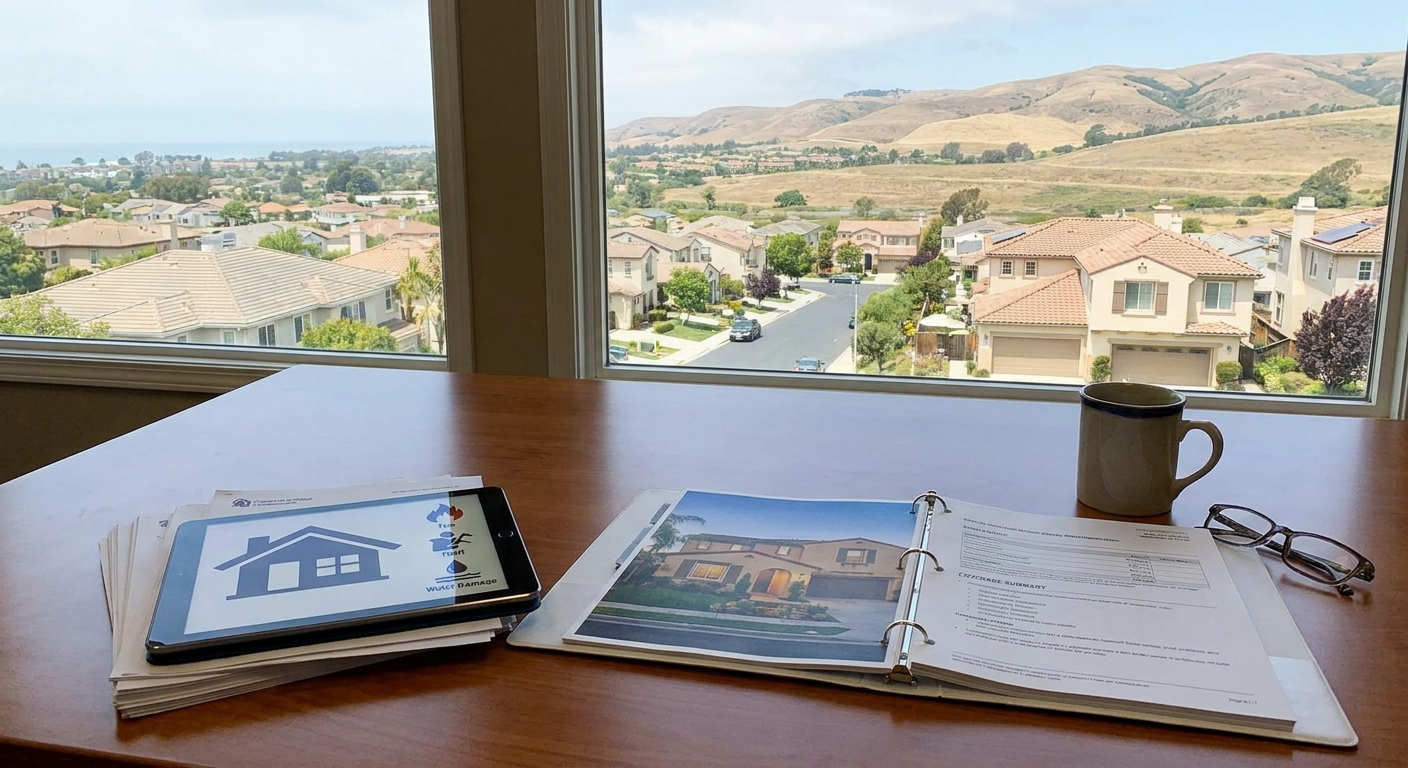
Think of everything you own that isn’t built into the house: your furniture, clothes, electronics, dishes, books, sports equipment. That’s your personal property. Coverage C helps replace these items if they’re damaged or stolen in a covered event.
Now, this is where it gets interesting. You usually have a choice: Actual Cash Value (ACV) or Replacement Cost Value (RCV) for your personal property. ACV pays you what your item was worth right before it was damaged, factoring in depreciation. Your five-year-old laptop? You’ll get its depreciated value, not what a new one costs. RCV, on the other hand, pays to replace your old laptop with a brand-new comparable model. Big difference. Most people want RCV.
One more thing: special limits. Expensive jewelry, fine art, firearms, or certain collectibles often have specific, lower limits of coverage unless you “schedule” them separately. That means listing them individually on your policy with their appraised value. If you’ve got a diamond ring or a valuable art piece, talk to your agent about scheduling it.
When You Can’t Stay Home: Loss of Use (Coverage D)
Imagine a wildfire forces an evacuation in Ventura County, or a massive pipe burst in the Valley makes your home unlivable for months. Where do you go? Loss of Use coverage, also called Additional Living Expenses (ALE), steps in here. It pays for your temporary housing — a hotel or rental home — and other increased living costs like extra food expenses, laundry, or even pet boarding, while your home is being repaired after a covered loss. It’s an often-overlooked but incredibly valuable part of your policy. Without it, these unexpected costs could quickly drain your savings.
Protecting Your Wallet from Lawsuits: Personal Liability (Coverage E)
This coverage is about protecting you financially if someone is injured on your property and you’re found responsible, or if you accidentally cause damage to someone else’s property away from home. Say a guest slips on your wet patio and breaks an arm, or your dog, despite being a sweetheart, nips a delivery driver. Personal liability coverage helps pay for their medical bills, lost wages, and your legal defense costs if they sue you.
Most standard policies start with $100,000 to $300,000 in liability. But honestly, in California’s litigious environment, that might not be enough. Many homeowners opt for $500,000 or even add an umbrella policy for an extra layer of protection, often covering $1 million or more.
Small Accidents, Big Help: Medical Payments (Coverage F)
This is a no-fault coverage for minor injuries to guests on your property. If a friend trips over your rug and scrapes a knee, this coverage can pay for their immediate medical treatment, regardless of who was at fault. It’s usually a smaller amount, like $1,000 to $5,000, and it’s meant to cover small incidents before they escalate into a liability claim.
The California Curveball: What Standard Policies *Don’t* Cover
Here’s where California home insurance gets complicated. While a standard policy covers a lot, it specifically excludes some of the biggest risks we face here. Many people think these are included. They’re not.
Earthquakes? Not So Fast.
We live in earthquake country. From the San Andreas Fault to smaller regional quakes, tremors are a fact of life. But standard homeowners insurance policies *do not* cover earthquake damage. If you want protection, you need a separate earthquake policy.
Most earthquake coverage in California comes from the California Earthquake Authority (CEA), a publicly managed but privately funded organization. You can also find policies from a few private insurers. These policies often come with high deductibles — sometimes 10% to 25% of your dwelling coverage. That means if your home is insured for $500,000, a 15% deductible is $75,000 out of your pocket before the policy kicks in. It’s a tough decision for many, but one every homeowner in California has to consider.
Floods? Nope, Not Standard Either.
Despite our droughts, California also experiences severe flooding, especially during atmospheric rivers or heavy winter rains. Think about the flash floods that sometimes hit the desert communities near Palm Springs or the Inland Empire. Standard homeowners policies specifically exclude flood damage.
For flood protection, you’ll need a separate flood insurance policy, typically purchased through the National Flood Insurance Program (NFIP). Some private flood insurance options exist too. If you live in a designated flood zone, your mortgage lender will likely require it. But even if you’re not in a flood zone, floods can happen anywhere. Mudslides, by the way, are often considered a type of flood damage, not covered by your standard homeowner’s policy unless specifically added or if caused by a covered peril like a burst pipe.
Wildfires: The Elephant in the Room (Sort Of)
*Myth:* Wildfires are always covered by my home insurance.
*Truth:* Wildfire damage *is* typically covered by a standard homeowner’s policy. But wait — this is where California gets tricky. While the *peril* of fire is covered, getting an insurer to *offer* you a policy in high-risk wildfire areas has become incredibly difficult.
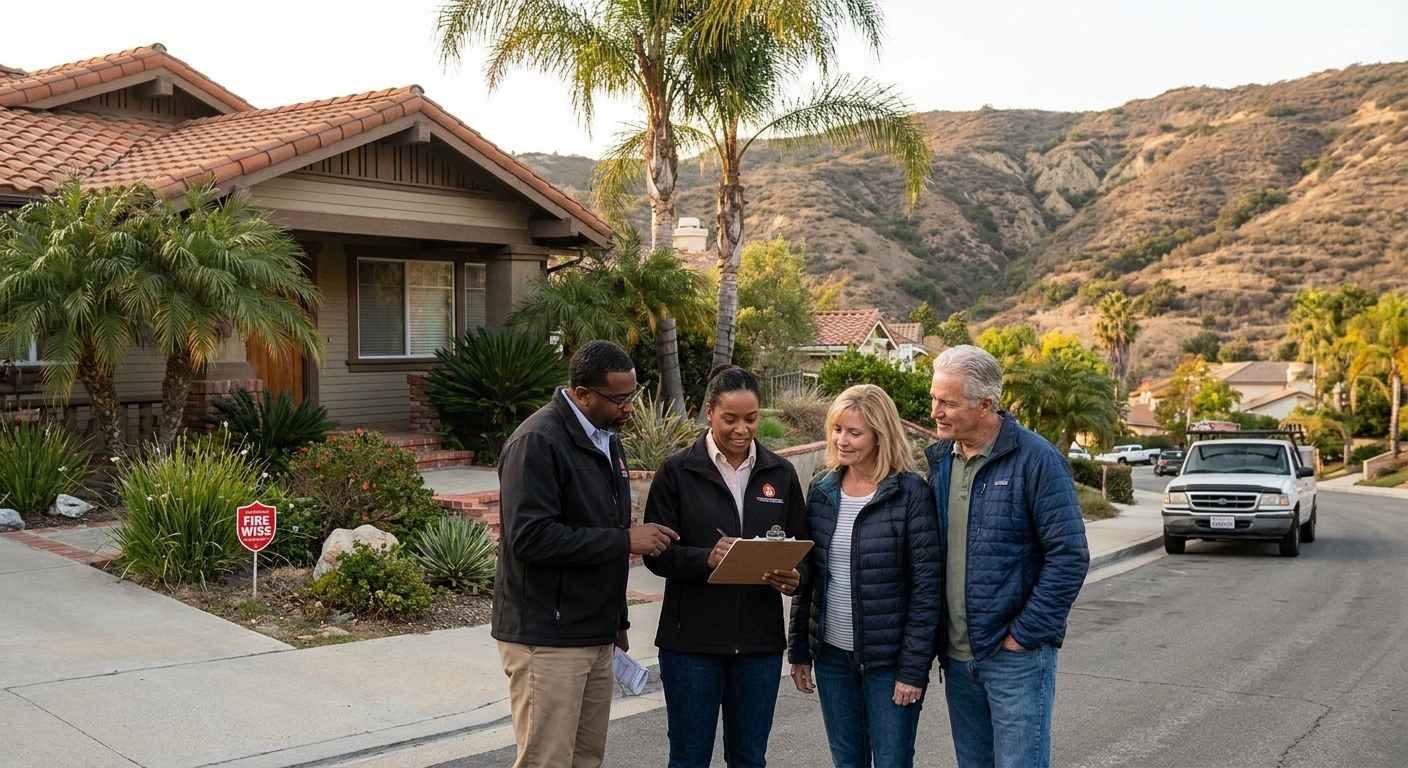
Over the last few years, major carriers like State Farm, Allstate, and others have announced they’re pulling back from California, or significantly limiting new policies, especially in areas prone to wildfires. Premiums have jumped dramatically — some homeowners have seen their rates climb 40% or more between 2022 and 2024. If you live in a brush zone or an area that’s experienced recent fires, like parts of Sonoma County or the mountains surrounding Los Angeles, you might find it hard to get or keep a policy with a traditional insurer. This forces many to look for other options.
The FAIR Plan: California’s Last Resort
If you’ve been non-renewed or can’t find coverage with a traditional insurer because of wildfire risk, you might end up with the California FAIR Plan. FAIR stands for “Fair Access to Insurance Requirements.” It’s an “insurer of last resort,” mandated by the state to provide basic fire coverage when no one else will.
The FAIR Plan *does* cover fire, including wildfire, smoke, and some other perils. But it’s often more expensive than a traditional policy and offers bare-bones coverage. It doesn’t include liability, theft, water damage, or many other things a standard HO-3 policy does. For those coverages, you’d need to buy a separate “Difference in Conditions” (DIC) policy from another insurer to essentially “wrap around” your FAIR Plan policy.
Good news, though: The FAIR Plan is making some big changes. Starting in 2024 and expanding into 2025, it’s increasing its dwelling coverage limits and adding more comprehensive options, aiming to make it a more viable solution for homeowners struggling to find coverage. Still, it’s not a perfect solution, and it’s always better to get a traditional policy if you can.
Navigating the Shifting Sands of California Insurance
California’s insurance market is in flux. Insurers are trying to adjust to increased risks from climate change, higher reconstruction costs, and more complex regulations (like Prop 103, which limits how much they can raise rates). This means fewer choices for homeowners and higher prices.
This is exactly why working with an independent insurance agent, like Karl Susman of Los Angeles Home Insurance Agency, is so important. An independent agent isn’t tied to one company. They work with multiple insurers, comparing policies and prices to find the best fit for your specific home and needs. They understand the nuances of the California market, the latest FAIR Plan changes, and which carriers are still writing policies in different areas. They can help you understand the fine print, the deductibles, and those critical exclusions. Karl Susman, CA License #OB75129, has helped countless Californians secure the right coverage.
Ready to see what real California coverage looks like for your home? Get a personalized quote today.
https://losangeleshomeinsuranceagency.com/quote/
Finding the Right Fit for Your Golden State Home
Don’t just chase the lowest premium. A cheaper policy with huge coverage gaps could cost you far more in the long run. Instead, focus on understanding what your policy covers and, crucially, what it *doesn’t*. Ask about replacement cost versus actual cash value. Inquire about specific endorsements for unique items or risks. Make sure your liability limits are robust enough for our state’s environment.
The right home insurance isn’t a one-size-fits-all product. It’s a custom-fit solution designed for your specific property, your personal assets, and the unique risks of living in California.
Don’t guess what your home insurance covers. Find out exactly what you need. Start your quote here.
https://losangeleshomeinsuranceagency.com/quote/
FAQ
Does my homeowners policy cover my home business?
Generally, no. A standard homeowners policy offers very limited or no coverage for business activities, equipment, or liability if you run a business from home. You’d typically need a separate business owner’s policy (BOP) or a specific endorsement added to your home policy.
What’s the difference between Actual Cash Value (ACV) and Replacement Cost Value (RCV)?
ACV pays you the value of your damaged or stolen property minus depreciation. RCV pays to replace your damaged or stolen property with a brand new, comparable item, without deducting for depreciation. RCV almost always offers better protection.
Do I need separate flood insurance if I’m not in a designated flood zone?
While not required, it’s often a good idea. About 20% of all flood claims come from properties outside high-risk flood zones. Flash floods can happen anywhere, and standard homeowners policies don’t cover flood damage.
Can my insurance company drop me?
Yes, insurance companies can choose not to renew your policy, especially in California’s challenging market. This often happens if your property is deemed too high-risk (e.g., wildfire exposure) or if you’ve had multiple claims. They usually have to give you advance notice, typically 45-75 days.
How often should I review my home insurance policy?
You should review your policy at least once a year, or any time you make significant changes to your home (renovations, additions), purchase expensive new items, or if there are major changes in your local area (e.g., increased wildfire risk, new flood maps). This helps ensure your coverage amounts are still adequate.
This article is for informational purposes only and does not constitute financial advice.