Building a New Home in California? Don’t Assume Insurance Is Easy.
So, you’re building a new home in California. Maybe it’s a custom dream house in Ventura County, or a tract home in the expanding Inland Empire. Good for you. There’s a lot of excitement that comes with a fresh start, a never-lived-in space, and the promise of modern amenities. Many people think that because their home is brand new, getting insurance will be a breeze — maybe even cheaper. They imagine insurers lining up, eager to protect a pristine property.
But here’s the thing. That’s not always how it works, especially in California these days. The short answer is yes, you can insure your new build. The real answer is more complicated, often requiring a bit more legwork and a deeper understanding of what insurers are actually looking at.
Myth: New Homes Are Always Cheaper to Insure, Right?
It sounds logical, doesn’t it? A new home means new plumbing, new electrical, a fresh roof. Fewer chances for old pipes to burst or faulty wiring to spark. And in many states, that logic holds up. Insurers often give discounts for new construction because the risk of certain perils – like water damage from old pipes or electrical fires – is genuinely lower.
However, California has its own unique set of challenges that can override these traditional benefits. Our state’s wildfire situation is a big one. Think about the expansion into areas that were once considered wildlands. Many new developments are popping up right on the edge of what’s called the Wildland Urban Interface (WUI). A home built today in, say, the hills above Santa Clarita or parts of the Valley might have all the latest fire-resistant materials, but if it’s surrounded by dry brush, its “newness” doesn’t suddenly make the wildfire risk disappear.
Insurers are looking at the *location* first, often before they even consider the age of the home. They’re mapping wildfire zones with incredible precision. A new home in a high-risk area might still face higher premiums or limited coverage options, even with all its shiny, new components. The cost of rebuilding after a major wildfire — like the ones we’ve seen devastate neighborhoods across the state — is astronomical. Insurers know this. They’re less concerned about your brand-new dishwasher and more concerned about how close you are to the next big blaze.
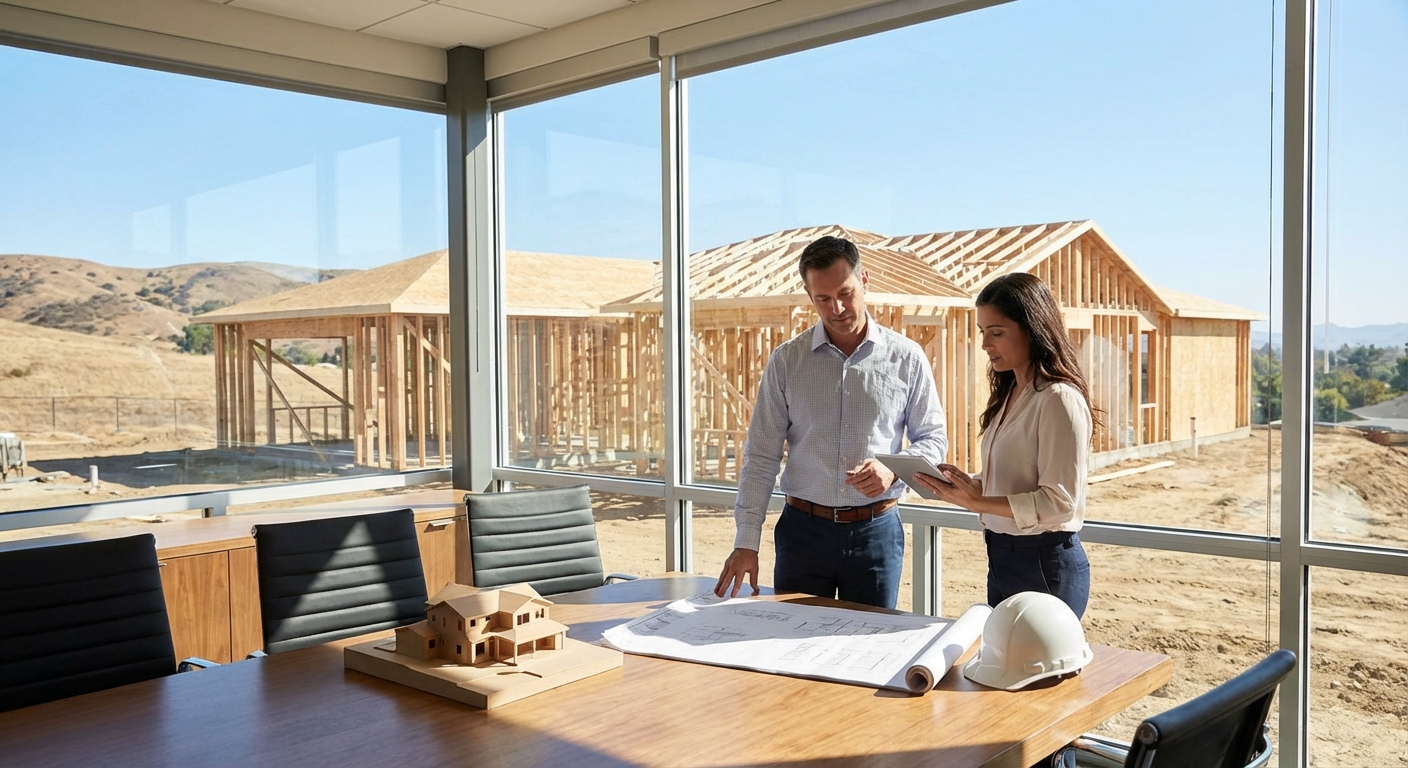
Myth: My Builder’s Insurance Covers Me Until I Move In.
This is a common and potentially very expensive misconception. When you’re building a home, there are usually two distinct phases of insurance coverage, and mixing them up can leave you totally exposed.
What Happens During Construction? (Builder’s Risk)
During construction, the builder or general contractor typically carries what’s known as a “builder’s risk” policy. This policy protects the structure itself, the materials on site, and sometimes the equipment used for building, against things like fire, vandalism, theft of materials, or damage from storms. It’s meant to cover the *construction project*.
But here’s the key: that builder’s risk policy belongs to the builder. It protects *their* investment and *their* liabilities during the building process. It’s not designed to protect you, the future homeowner, or your personal interests. If something happens to the property during construction, the builder’s policy will address the physical damage to the structure, sure. But it won’t cover your personal liability if, say, a visitor gets hurt on the construction site, nor will it protect your personal belongings once they start moving into the unfinished home.
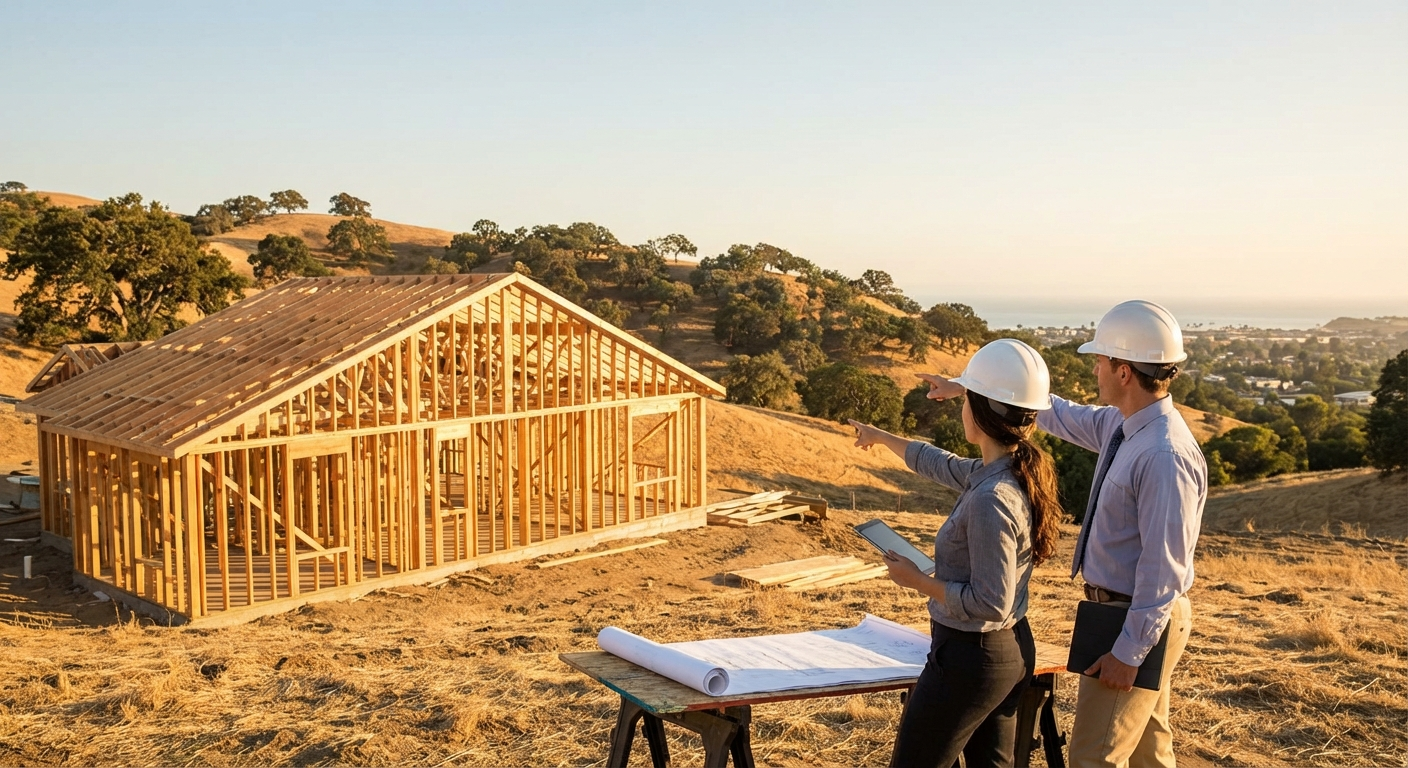
When Do I Need My Own Policy? (Occupancy)
You need your own homeowner’s insurance policy in place *before* you take possession of the home, and definitely before you move any of your personal belongings in. This is often a condition of your mortgage lender, too. They won’t release funds for closing until you can prove you have a policy.
Even if you’re just moving a few boxes into the garage before closing, you’re exposing yourself. Once you’re considered the owner or occupant, the builder’s risk policy is no longer your safety net. You become responsible for the property. Missing this transition period can leave you in a terrible spot if a fire breaks out the day before closing, or if someone slips on a wet floor while you’re doing a final walkthrough.
Myth: Since It’s New, I Don’t Need to Worry About Wildfires.
We touched on this earlier, but it deserves its own spotlight because it’s such a California-specific challenge. A new home is *not* inherently immune to wildfire risk. In fact, sometimes new developments are built in areas chosen for their views or perceived remoteness — which often means they’re closer to natural vegetation and wildlands.
New building codes in California do mandate certain fire-resistant materials for homes built in high-risk zones. You’ll see things like ignition-resistant siding, tempered glass windows, and non-combustible roofs. These are all good, very good, and they absolutely increase a home’s chances of survival.
But wait — these measures are part of a larger defense strategy. They work best when combined with aggressive defensible space management around the property. That means clearing brush, trimming trees, and generally creating a zone of reduced fuel around your home. A brand-new, fire-resistant home surrounded by overgrown chaparral is still at significant risk.
Insurers like State Farm, AAA, and Farmers are all carefully assessing these risks. They’re looking at specific addresses, not just general zip codes. They’re using sophisticated mapping tools to determine brush proximity, slope, and access roads. If your new build is in a spot that was impacted by, say, the 2025 LA fires (hypothetically, of course, but a very real threat), or even just near an area that’s burned recently, your newness won’t be enough to secure a standard, affordable policy from the major carriers. This is where the market gets really tight.
Myth: All New Construction Policies Are the Same.
You might think a standard HO-3 policy, the most common type, will cover everything you need for your new home. Not always. While an HO-3 offers broad coverage for your dwelling and personal property, plus liability, new construction often comes with its own set of potential issues that might require extra attention.
What About Extended Replacement Cost?
This is absolutely critical in California. Standard policies usually offer “replacement cost” coverage, meaning if your home is destroyed, the insurer will pay to rebuild it to its original condition. But here’s where it gets interesting. Construction costs in California are notoriously high and can spike dramatically after a widespread disaster. Supply chain issues, labor shortages, and increased demand can push rebuilding costs far beyond what your original policy limit might be.
Extended Replacement Cost, sometimes called “guaranteed replacement cost,” adds an extra percentage — usually 20% to 50% — on top of your dwelling coverage limit. So, if your home is insured for $800,000, an extended replacement clause might give you up to $1,200,000 to rebuild. For new construction, where you’ve likely just invested a significant amount, this extra buffer is incredibly important. You don’t want to be underinsured the moment you move in.
Earthquake and Flood — Still Separate?
Yes. Even for a brand-new home, earthquake and flood insurance are almost always separate policies. Your standard homeowner’s insurance policy, no matter how good it is, will not cover damage from an earthquake or a flood. California sits on major fault lines, and while new homes are built to stricter seismic codes, an earthquake can still cause significant damage. Similarly, many parts of California, even away from rivers or coastlines, are prone to flash floods or mudslides, especially after wildfires. If you’re building in an area with any flood risk, your lender will likely require flood insurance. Even if they don’t, it’s a smart consideration.
The California Conundrum: Why New Construction Insurance Is Tougher Here
The state’s insurance market has been a rollercoaster lately. Major carriers like State Farm, Allstate, and Farmers have either paused writing new policies or significantly restricted what they’re willing to cover, especially in wildfire-prone areas. This isn’t just for older homes; it impacts new construction too. They’re looking at their overall exposure in the state, and new builds in risky areas only add to that.
This pullback has left many California homeowners, new and old, scrambling for options. Which brings up something most people miss. When the standard market shrinks, more people turn to the California FAIR Plan.
The FAIR Plan for New Homes?
The FAIR Plan is California’s “insurer of last resort.” If you can’t get coverage from a traditional carrier, the FAIR Plan will provide basic fire coverage. But it’s just that — basic. It covers fire, smoke, and some other limited perils. It does *not* cover liability, theft, water damage, or many of the other things a comprehensive homeowner’s policy would. You’d need to get a “Difference in Conditions” (DIC) policy from a separate carrier to fill in those gaps, effectively piecing together your coverage.
For a brand-new home, relying solely on the FAIR Plan isn’t ideal. You’ve invested so much; you want full protection. While it’s an option, it’s usually more expensive and less comprehensive than a standard policy from a major insurer. It’s often a sign that you’re in a highly challenging insurance area.
Finding the Right Fit for Your New Build
Given all these complexities, how do you find the right insurance for your new California home? Honestly, the best approach is to work with an independent insurance agent. Someone who isn’t tied to a single company like State Farm or Farmers. An independent agent can shop around with multiple carriers, including specialty insurers who might be more willing to write policies for new construction in challenging areas.
They understand the nuances of the California market, the wildfire mapping, and the specific requirements for new builds. They can help you figure out if you need extended replacement cost, earthquake coverage, or a flood policy. They’ll also explain the difference between a standard policy and the FAIR Plan, should that become your only option.
Karl Susman of Los Angeles Home Insurance Agency is one such expert. With CA License #OB75129, Karl and his team have been helping Californians navigate these tricky waters for years. They know the ins and outs of insuring new construction, even with the market as it is. You can reach them at (877) 411-5200 for a conversation about your specific situation.
Ready to see what options are out there for your brand-new California home? Get a Home Insurance Quote Today.
Frequently Asked Questions About New Construction Home Insurance in California
Q: When should I start looking for insurance for my new home?
As soon as possible! Ideally, start shopping for quotes three to four months before your estimated closing date. The California market is tight, and finding the right policy can take time. Don’t wait until the last minute when your lender is pressuring you.
Q: Can I get a discount for fire-resistant construction materials?
Yes, many insurers offer discounts for specific fire-resistant features, especially if your home meets California’s “Chapter 7A” building codes for WUI areas. Things like non-combustible roofs, ignition-resistant siding, and defensible space can all help lower your premium or make you more attractive to an insurer.
Q: What if my new home is in a high-risk wildfire zone?
If your new home is in a high-risk wildfire zone, you might find it harder to get a policy from standard insurers. You may need to explore specialty carriers who focus on high-risk properties, or you might end up with a combination of the California FAIR Plan and a Difference in Conditions (DIC) policy to get comprehensive coverage.
Q: Does my new home warranty affect my insurance?
Your new home warranty covers defects in materials and workmanship from the builder, typically for a period of time after construction. This is separate from your home insurance, which covers damage from perils like fire, theft, or storms. They work together but cover different types of issues.
Q: Is it harder to insure a custom-built home versus a tract home?
Not necessarily due to it being custom, but it might depend on the location. Tract homes are often built in larger developments, sometimes with more established fire mitigation infrastructure. Custom homes might be built on more remote or unique parcels, which could introduce greater wildfire or other risks, making insurance more complex.
Building a new home in California is an exciting chapter, but it comes with its own unique set of insurance challenges. Don’t let the dream turn into a nightmare because you overlooked the fine print. Understanding the market, asking the right questions, and working with an experienced professional are your best bets for securing the protection you need for your brand-new investment.
Ready to talk about insuring your new California home? Get a Home Insurance Quote Today.
This article is for informational purposes only and does not constitute financial advice.