What Even *Is* a Sinkhole, Anyway? (And Why California’s Different)
Honestly, when most folks hear “sinkhole,” they picture those dramatic scenes from Florida — a car swallowed whole, a house disappearing into the earth. It’s terrifying, sure. But here’s the thing: California’s geological reality is quite a bit different from Florida’s. And that makes a big difference for your homeowners insurance.
Many people think a sinkhole is just any hole in the ground. Not exactly. A classic sinkhole, the kind you see in places like Florida or Kentucky, forms when acidic groundwater dissolves soluble bedrock — think limestone, gypsum, or dolomite — creating underground caverns. Eventually, the surface layer collapses into that void. That’s a true sinkhole.
California, though? We don’t have vast stretches of easily dissolvable limestone beneath our homes. Our ground issues tend to be more about earth movement. We’re talking landslides, mudslides, erosion, and subsidence caused by seismic activity or shifting soil due. Sometimes it’s from heavy rains or even just the gradual settling of fill dirt. It’s less about a cavern opening up, and more about the ground itself moving or giving way. This distinction isn’t just academic; it’s absolutely central to how your home insurance policy works — or doesn’t work.
Does My Standard California Homeowners Policy Cover Sinkholes? (Spoiler: Probably Not Directly)
For most California homeowners, the short answer is no, your standard policy doesn’t cover “sinkholes” in the classic sense. The real answer is more complicated.
Most homeowners insurance policies in California — the common HO-3 type — are designed to protect your home from a long list of specific perils: fire, theft, windstorm, hail, vandalism, burst pipes, and so on. But they also come with a list of exclusions. And right at the top of that list, almost universally, is “earth movement.”
That’s right. Anything the insurance world broadly defines as “earth movement” is typically excluded. This is a big one. It’s how insurers protect themselves from massive, widespread damage that could bankrupt them — think earthquakes or major landslides. And because California is, well, *California*, earth movement is a pretty significant risk for many properties, from the hills of Ventura County to the shifting soils of the Inland Empire.
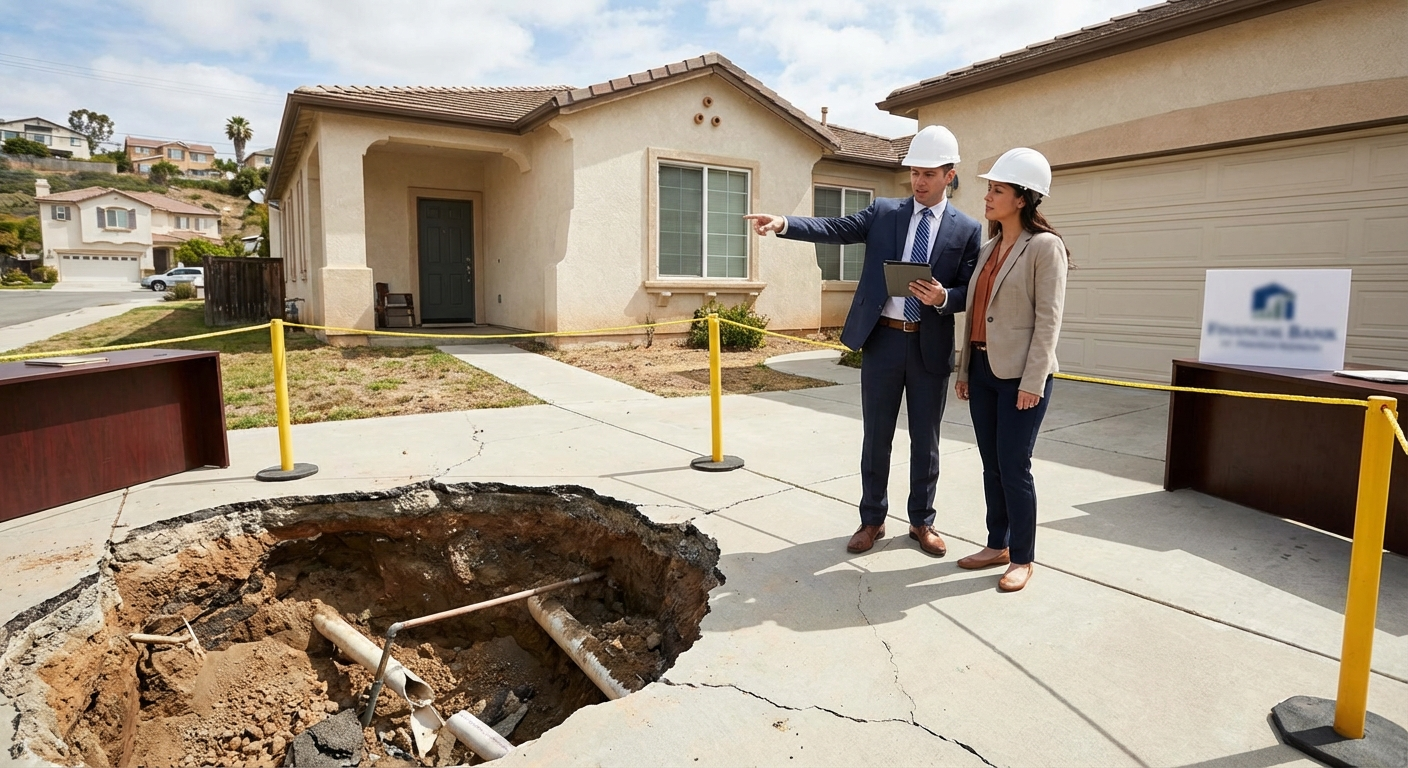
“Earth Movement” — A Closer Look
So, what exactly falls under this broad “earth movement” umbrella? It’s more than just a massive earthquake. It includes things like:
* Landslides: When a mass of rock, debris, or earth moves down a slope. Common in our hilly areas, especially after heavy rains.
* Mudslides: A rapid flow of debris, mud, and water, often triggered by intense rainfall on saturated ground. Again, a real risk in our burn scar areas.
* Subsidence: The gradual caving in or sinking of an area of land. This can happen when groundwater is removed, or just from the natural compaction of soil over time.
* Erosion: The gradual wearing away of land by natural forces.
* Earthquake damage: This is a big one, often requiring a separate policy.
See how a “sinkhole” — if it occurred here from, say, a collapsed pipe washing away soil — could easily be categorized as a type of subsidence or earth movement? That’s why your standard policy won’t cover it. It’s not that they *don’t* cover sinkholes; it’s that they specifically *exclude* the broader category of ground movement that would cause one here.
So, How Can I Get Coverage for Ground Movement?
Many homeowners feel stuck when they learn about these exclusions. “What’s the point of insurance if it doesn’t cover something like that?” some might ask. But you’re not entirely out of luck. There are ways to get protection, but they usually involve buying additional coverage.
The key to protecting your home from ground movement in California is often through specialized policies or endorsements.
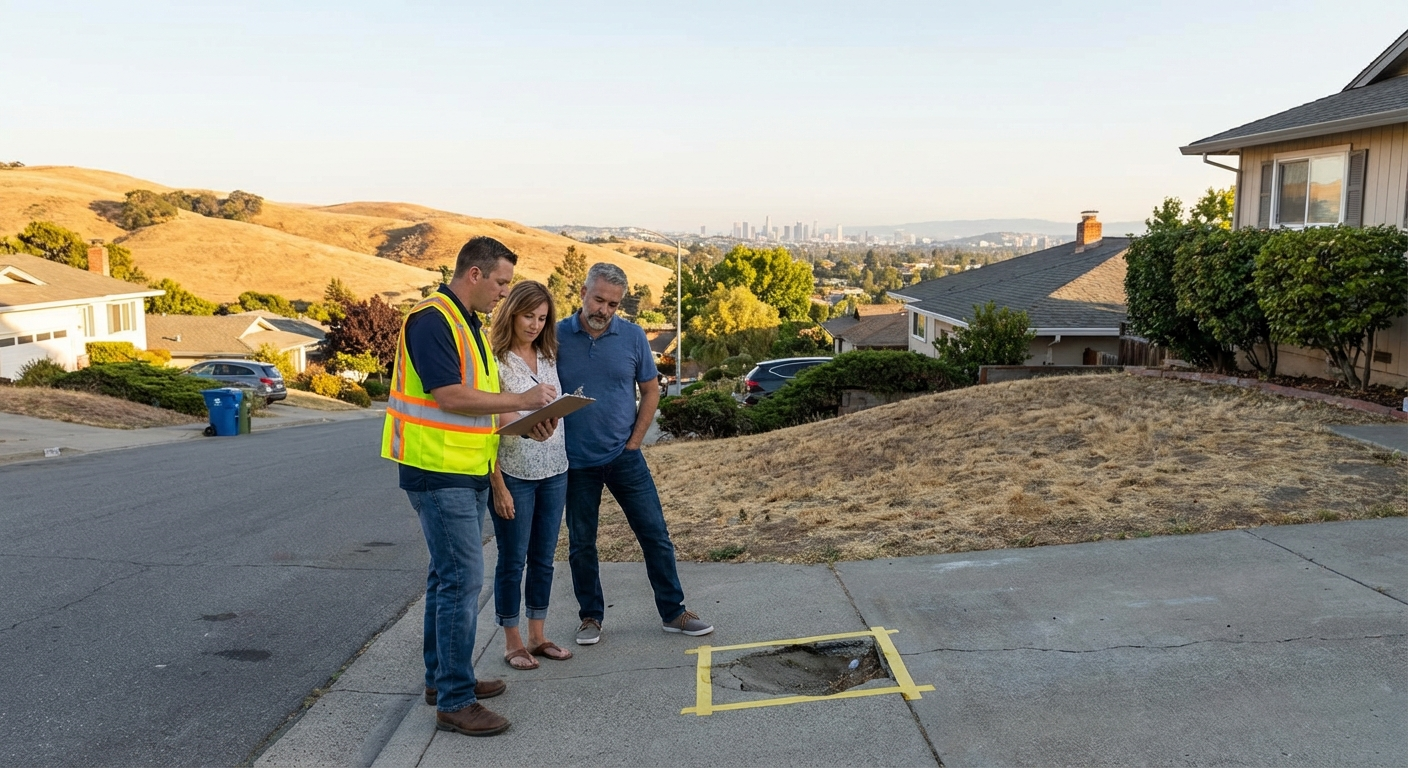
Difference in Conditions (DIC) Policies
This is a big one for California. A DIC policy is a separate policy that fills the gaps left by your standard homeowners insurance. It specifically covers perils that are excluded from typical policies, like earthquake, flood, and, yes, often certain types of earth movement or landslide damage. These policies are usually offered by specialty insurers, not your everyday State Farm or Farmers agent. They’re designed for the unique risks we face out here.
Earthquake Insurance
While not directly “sinkhole” coverage, earthquake insurance *does* cover damage caused by seismic activity, including the ground movement that comes with it. If a minor tremor or even a larger quake causes the ground beneath your home to shift, settle, or crack, an earthquake policy would kick in. It’s a separate purchase, often with its own deductible — sometimes a percentage of your home’s value, not a flat dollar amount.
Specific Endorsements
Sometimes, you can add an endorsement to your existing homeowners policy for certain *types* of earth movement, especially those tied to water damage. For example, some policies might offer limited coverage for land subsidence caused by a burst pipe on your property, if that pipe damage is covered. This is rare, though, and usually has strict limits. It’s important to read the fine print.
The “Mini-Earthquake” Endorsement
This is a lesser-known option but can be really useful. Some insurers offer endorsements that cover damage from minor seismic activity that doesn’t quite qualify as a full-blown “earthquake” under a standard earthquake policy, but still causes ground shifts and property damage. It’s a niche product, but worth asking about, especially if you live in an area prone to smaller tremors or general ground instability.
Why California’s Insurance Market Makes This Even Trickier
Getting any kind of homeowners insurance in California has become a bit of a maze lately. Premiums jumped 40% between 2022 and 2024 for many folks, and finding coverage is harder than ever. We’ve seen major players like State Farm and Allstate pull back from writing new policies in certain areas, particularly those deemed high-risk for wildfire.
This market instability trickles down to specialized coverages like earth movement. When insurers are already hesitant to cover basic fire risk, they become even more cautious about offering additional coverage for perils like landslides or subsidence.
The California FAIR Plan — our state’s “insurer of last resort” — will cover basic fire damage if you can’t get it anywhere else. But it’s bare-bones, and it absolutely does *not* cover earth movement. You’d still need to find a supplemental policy, often a DIC policy, to get that kind of protection. It’s a complex puzzle, and it often requires working with someone who truly understands the California market.
The Karl Susman Difference: Finding the Right Protection
This is where a seasoned professional makes all the difference. Someone like Karl Susman of Los Angeles Home Insurance Agency knows the ins and outs of California’s unique insurance challenges. He’s not just selling policies; he’s helping people understand the real risks they face and finding actual solutions. With CA License #OB75129, Karl and his team have seen firsthand how these issues impact homeowners, from the coastal cliffs to the desert communities.
Getting the right coverage isn’t about checking a box. It’s about understanding your specific property, its risks, and then finding an insurer willing to cover those risks at a fair price. That’s a tall order in today’s market, but it’s exactly what an experienced agent does. They can often access specialty markets and policies that aren’t available through a simple online search.
Don’t guess what your policy covers. Don’t assume you’re protected. Talk to an expert. You can reach Los Angeles Home Insurance Agency at (877) 411-5200. Or, if you’re ready to explore your options right now, you can get a personalized quote for your California home insurance needs.
Get Your California Home Insurance Quote Today
What About Damage From *Other* Water Issues?
It’s easy to confuse water damage that causes ground movement with other types of water damage. And the distinction is critical for insurance.
If a sudden, accidental pipe burst *inside* your home causes water damage to your floors or walls, that’s usually covered by your standard homeowners policy. If your washing machine overflows and floods your laundry room, also typically covered. That’s “sudden and accidental discharge.”
But here’s where it gets interesting. If that same burst pipe, over time, leaks water under your foundation and slowly washes away soil, causing your foundation to settle or crack — that’s subsidence. And that’s usually an earth movement exclusion. Big difference.
Similarly, flood insurance is a whole separate beast. That’s for rising water from outside your home — a river overflowing, heavy rains causing street flooding. Homeowners insurance doesn’t cover floods. You need a separate policy, often through the National Flood Insurance Program (NFIP). So, water is a tricky peril; its source and its effect determine coverage.
Don’t Wait for the Ground to Shake — Or Sink
The time to think about ground movement coverage isn’t when your backyard starts to crack or your foundation shows signs of distress. It’s now, while your home is sound. Proactive planning can save you a world of heartache and financial ruin.
Reviewing your policy regularly is a smart move. Ask questions. Understand the exclusions. If you live in an area known for hills, slopes, or expansive soils — like parts of the Valley, or many communities along the coast — these conversations are even more important.
There’s no one-size-fits-all answer for homeowners insurance in California, especially when you factor in earth movement risks. Every property is unique, and every homeowner’s situation is different. But understanding the basics and knowing where to turn for expert advice is your best defense.
Ready to dig into what your current policy *really* covers, or to explore options for protecting your home from ground movement? Karl Susman and the team at Los Angeles Home Insurance Agency are here to help.
Start Your California Home Insurance Quote Now
What to Ask Your Agent
When you talk to an agent, be specific. Don’t just ask about “sinkholes.” Ask directly:
* “Does my policy cover damage from landslides or mudslides?”
* “What about subsidence caused by soil compaction or water washing away soil?”
* “Are there any endorsements or separate policies you recommend for earth movement?”
* “What’s the difference between my standard policy and a Difference in Conditions policy for ground movement?”
* “Given my property’s location [mention your specific area, e.g., ‘in the hills above Malibu,’ or ‘on the flatlands of the Central Valley’], what specific ground movement risks should I be concerned about, and how can I cover them?”
Frequently Asked Questions About California Sinkhole & Earth Movement Coverage
Does homeowners insurance cover damage from a burst pipe causing the ground to settle?
This is a common gray area. While your standard policy often covers the direct damage from a burst pipe (like water damage to your home’s interior), if that pipe leak causes the ground *outside* your home to settle or subside, that ground movement damage is usually excluded under the “earth movement” clause. Some specialty endorsements might offer limited coverage for this specific scenario, but it’s not standard.
Is earthquake insurance the same as sinkhole or earth movement coverage?
No, they’re distinct. Earthquake insurance specifically covers damage caused by seismic activity. While an earthquake can certainly cause earth movement, a sinkhole or landslide can occur without an earthquake. A separate Difference in Conditions (DIC) policy or specific endorsement is often needed to cover other types of earth movement like landslides or subsidence.
What’s the difference between a sinkhole and a landslide for insurance purposes?
In California, the term “sinkhole” isn’t typically used in policies. Instead, insurers focus on “earth movement.” A landslide is a specific type of earth movement where a mass of earth moves down a slope. Damage that might look like a “sinkhole” to a homeowner (e.g., ground caving in) would likely be categorized by an insurer as subsidence or another form of earth movement, and thus excluded from standard policies.
Can I get earth movement coverage if I live near a fault line or in a hillside community?
It’s tougher, but often possible. Insurers assess risk based on location. If you’re in a high-risk area (e.g., known landslide zone, close to a major fault), your options might be more limited, and premiums will likely be higher. However, specialty insurers offering Difference in Conditions (DIC) policies are specifically designed for these complex risks. An independent agent like Karl Susman can help you find these options.
This article is for informational purposes only and does not constitute financial advice.