Here’s what you’ll learn in this guide:
- Why California’s home insurance market is changing so much.
- How new regulations might affect your policy and premiums by 2026.
- What steps you can take to make your home more insurable.
- Tips for finding coverage, even when options feel limited.
- The role of the FAIR Plan and how it’s evolving.
The Shifting Sands of California Home Insurance: What to Expect in 2026
For most California homeowners, the past few years have been a rollercoaster. Premiums jumped 40% between 2022 and 2024 for many, and finding a policy at all has become a real challenge. Insurers like State Farm, Allstate, and Farmers have pulled back or stopped writing new policies in wildfire-prone areas — and sometimes even in less risky spots. It’s a tough situation, and it’s not going away by 2026. In fact, new rules and market forces are set to redefine what “required” means for your home insurance.
You see, the state’s insurance commissioner, Ricardo Lara, has been pushing for what he calls a “Sustainable Insurance Strategy.” The idea is to entice insurers back into California by allowing them to use forward-looking models for pricing — basically, letting them predict future wildfire and other climate risks, not just past ones. That’s a big deal. For decades, Proposition 103 has kept a tight leash on rate increases, requiring them to be approved by the Department of Insurance. The new strategy aims to balance consumer protection with market stability, but it means you, the homeowner, will likely see some significant shifts.
So, what does this all mean for your home insurance requirements in 2026? It means you’ll need to be proactive. It means understanding the new landscape. And it means preparing your home and your wallet.
Step 1: Understand the “New Normal” for Insurer Behavior
Honestly, the biggest “requirement” in 2026 might just be finding an insurer willing to cover your home. After years of devastating wildfires, like those that scorched Ventura County in 2023 and the Santa Cruz Mountains in 2020, and with rising construction costs making repairs pricier, many carriers simply decided California wasn’t profitable enough. They either stopped writing new policies or severely restricted where they’d offer coverage. This isn’t just about wildfires, either. Think about the severe winter storms, the mudslides in areas like Montecito, or even just the everyday liability claims.
What’s changing now? The “Sustainable Insurance Strategy” aims to bring these insurers back. But here’s the thing: they won’t come back without conditions. Those conditions will likely translate into stricter underwriting criteria for you. You might find that what was perfectly acceptable for your home in 2022 simply won’t cut it in 2026. Insurers will be looking at everything — from your home’s age and construction materials to its proximity to brush and the defensible space you’ve created.

Step 2: Brace for Increased Scrutiny on Wildfire Risk and Mitigation
If your home is in or near a designated high-risk wildfire zone — and a surprising amount of California falls into this category, from the hills of Malibu to the Sierra foothills — you’re already familiar with the challenges. But by 2026, expect this scrutiny to intensify across the state. The new rules will likely give insurers more flexibility to factor in your home’s individual wildfire risk and, importantly, your efforts to reduce it.
This is where your “requirements” become actionable. Insurers will be looking for proof of mitigation. Think about things like:
- Defensible Space: Do you have at least 100 feet of clear space around your home? Are dead leaves and branches removed? Is your roof free of debris?
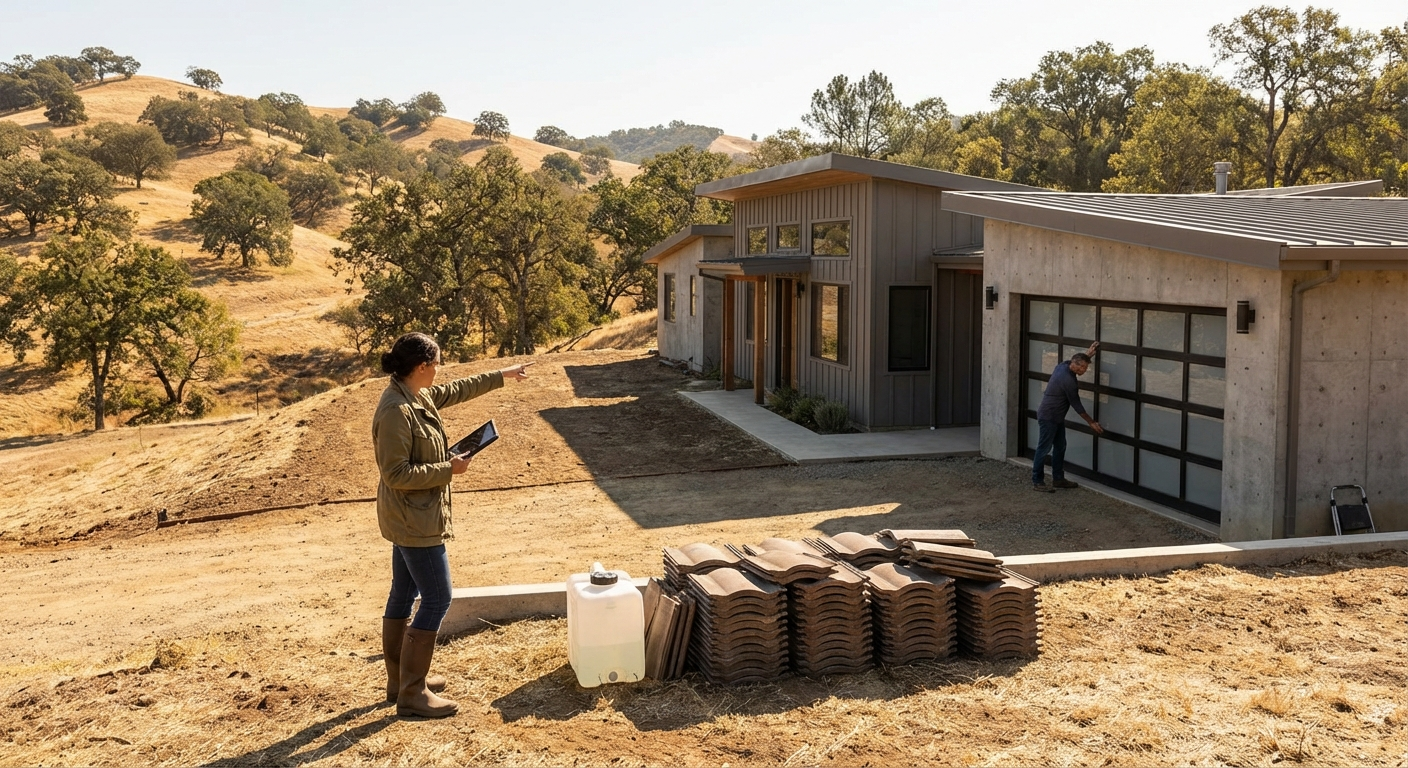
- Hardened Homes: Are your vents covered with fine mesh? Do you have ember-resistant siding or roofing materials? Are your windows dual-pane? Do you have sturdy, non-combustible decks?
- Access for Firefighters: Is your address clearly visible? Are your driveways wide enough for fire trucks?
Some insurers might even require a home inspection specifically for wildfire risk before offering coverage. If you haven’t already, start documenting your mitigation efforts with photos and receipts. This isn’t just a good idea; it could become a non-negotiable part of getting a policy.
Step 3: Navigating the Evolving FAIR Plan
When traditional insurers pull out, the California FAIR Plan becomes the “insurer of last resort.” It’s a state-mandated program that provides basic fire coverage for properties that can’t get it anywhere else. The short answer is yes, the FAIR Plan will still be there in 2026. The real answer is more complicated. The FAIR Plan has been under immense pressure, seeing its policy count explode. To manage this, it’s been expanding its coverage limits and trying to make it more comprehensive, but it’s still often more expensive and less comprehensive than a standard policy.
Which brings up something most people miss. Even if you get a FAIR Plan policy, you’ll almost always need a “Difference In Conditions” (DIC) policy from a separate carrier to cover things like liability, theft, and water damage — things a standard policy bundles. This means you’re dealing with two policies, two premiums, and potentially two adjusters if something goes wrong. It’s a patchwork solution, and while it’s a lifeline, it’s not ideal. By 2026, expect the FAIR Plan to continue to be a significant part of the market, but also expect continued efforts to encourage homeowners back into the traditional market through mitigation incentives.
Step 4: The Crucial Role of Your Insurance Agent
In this turbulent market, trying to go it alone is a recipe for frustration. This is where an experienced, independent insurance agent becomes absolutely essential. They understand the intricacies of the California market, they know which carriers are still writing policies, and they can help you present your home in the best light to underwriters.
An agent like Karl Susman of Los Angeles Home Insurance Agency (CA License #OB75129) has seen it all. They’re not just selling policies; they’re helping you understand the fine print, navigate the mitigation requirements, and find the best possible coverage for your specific situation. They can shop multiple carriers for you, including those smaller, regional ones you might not even know about. Don’t underestimate the value of having someone on your side who knows the lay of the land.
Ready to explore your options for 2026? Don’t wait until the last minute. Get a home insurance quote today and start preparing your coverage strategy.
Step 5: Understanding Your Coverage Options Beyond Fire
While wildfire is a dominant concern, your home insurance requirements in 2026 still extend to other risks.
- Earthquake Insurance: California is earthquake country. Standard home policies don’t cover quake damage. You’ll need a separate policy, usually from the California Earthquake Authority (CEA) or a private carrier. This isn’t legally required by your mortgage lender, but it’s a huge risk to ignore.
- Flood Insurance: Again, standard policies don’t cover flood damage. With changing weather patterns, even areas not traditionally considered flood zones are seeing issues. The National Flood Insurance Program (NFIP) is the primary provider, but private options exist.
- Liability Coverage: This protects you if someone is injured on your property. Mortgage lenders almost always require a certain amount of liability coverage.
- Dwelling Coverage: This covers the structure of your home. Make sure it’s enough to rebuild your home completely at current construction costs, which are still very high in California.
- Personal Property Coverage: This covers your belongings.
Each of these components will have its own considerations and potential “requirements” from your insurer or lender. It’s not always simple.
Step 6: Plan Ahead for Renewals and Rate Changes
If you have a policy now, don’t assume your renewal will be smooth sailing, especially if you’re in an area that’s seen recent fire activity or if your current insurer is one of those pulling back. Expect your insurer to re-evaluate your property more thoroughly at renewal. They might ask for updated information on your mitigation efforts. They might even send an inspector.
This is also where the new rate-setting rules come into play. If insurers are allowed to factor in future risks, your rates could see significant adjustments. Don’t be surprised by a higher premium, even if you haven’t filed a claim. The entire risk profile of California is being re-priced. It’s a good idea to start shopping for new policies 60-90 days before your current one expires. This gives you ample time to compare offers and make any necessary adjustments to your home.
Finding the right home insurance in California for 2026 is going to take more than just a quick phone call. It’s going to require preparation, understanding, and often, the help of a seasoned professional. Don’t hesitate to reach out to experts who live and breathe this market. You can call Karl Susman at Los Angeles Home Insurance Agency at (877) 411-5200 to discuss your specific situation.
The good news? By taking these steps, you’re not just meeting “requirements”; you’re making your home safer and more resilient, which is always a smart move in California.
Frequently Asked Questions About California Home Insurance in 2026
Q: Will my mortgage lender require specific home insurance coverage in 2026?
A: Yes, absolutely. Your mortgage lender will still require you to carry homeowners insurance to protect their investment in your home. This typically includes dwelling coverage (to rebuild your home), liability coverage, and sometimes specific endorsements like extended replacement cost. If your home is in a designated flood zone, they’ll also require flood insurance. They won’t usually require earthquake insurance, but it’s highly recommended for your own protection.
Q: What if I can’t find any traditional insurance companies willing to cover my home?
A: If traditional insurers decline to cover your home, your primary option is the California FAIR Plan. This state-mandated program provides basic fire coverage. However, you’ll then need to purchase a separate “Difference In Conditions” (DIC) policy from a private insurer to cover other perils like liability, theft, and water damage. An independent agent can help you navigate this two-policy approach.
Q: Are there any discounts available for making my home safer from wildfires?
A: Yes, this is a growing area. As part of the state’s efforts to encourage mitigation, insurers are being pushed to offer discounts for “hardened” homes and properties with good defensible space. By 2026, expect these discounts to be more standardized and potentially more significant. Documenting your efforts – from ember-resistant vents to clearing brush – will be key to qualifying.
Q: How can I prepare my home for the new insurance requirements?
A: Start by assessing your home’s wildfire risk and making improvements to create defensible space and harden your home against embers. Review your current policy to understand your coverage limits, especially your dwelling coverage, to ensure it reflects current rebuilding costs. Most importantly, connect with an experienced local insurance agent well before your policy renewal to discuss your options and strategy.
Ready to get a personalized plan for your home insurance? Click here for a home insurance quote and let an expert guide you through the process.
This article is for informational purposes only and does not constitute financial advice.