Your Big Bear Cabin and the Unseen Risks
Sarah and Tom Miller finally did it. After years of dreaming, they bought that cozy A-frame cabin in Big Bear Lake. Weekends were for hiking, mornings for coffee on the deck overlooking the pines, and evenings for stargazing. It was their escape, their slice of California mountain heaven. They figured their existing homeowner’s policy, the one covering their primary house in Ventura County, could just stretch to include the cabin. Or maybe they just needed a simple, separate policy.
Honestly, that’s a common thought. Many folks assume insuring a second home is just like insuring their first, maybe a little cheaper since they aren’t there all the time. But here’s the thing: insuring a California vacation home, especially one tucked away in the mountains or along the coast, isn’t quite so simple. The short answer is yes, you absolutely need dedicated coverage. The real answer is far more complicated, driven by how you use the home, where it sits on the map, and the ever-shifting sands of California’s insurance market.
Why a Vacation Home Isn’t Just “Another Home” to Insurers
When an insurance company looks at your primary residence, they see a certain level of risk. People are home most nights, lights are on, neighbors are around, and small problems get noticed fast. A vacation home? Not so much. It sits empty for stretches. Sometimes for weeks, sometimes for months. That’s a different kind of risk.
An unoccupied home is more vulnerable. Think about it: a burst pipe in your primary home gets noticed in hours. In your Big Bear cabin, it could be days or weeks before someone spots the damage. That’s a lot of ruined drywall and warped flooring. Plus, an empty home is a bigger target for vandalism or theft. Insurers know this, and their policies reflect that increased exposure.
Often, a standard homeowner’s policy—what we call an HO3—just won’t cut it for a secondary or vacation home. An HO3 is designed for owner-occupied primary residences. If you aren’t living there most of the time, or if you’re renting it out, an HO3 could have gaps you won’t discover until you need to file a claim. That’s a bad time to find out your policy doesn’t cover what you thought it did.
Instead, many vacation homeowners find themselves looking at what’s called a Dwelling Fire policy, specifically a DP3. Don’t let the name fool you; it covers a lot more than just fire. A DP3 offers “open peril” coverage for the dwelling itself, meaning it covers damage from anything *unless* it’s specifically excluded. This is usually broader than the “named peril” coverage you might find on a basic DP1 policy. A DP3 also typically includes personal property coverage and liability protection, much like an HO3, but it’s specifically tailored for properties not occupied full-time by the owner.
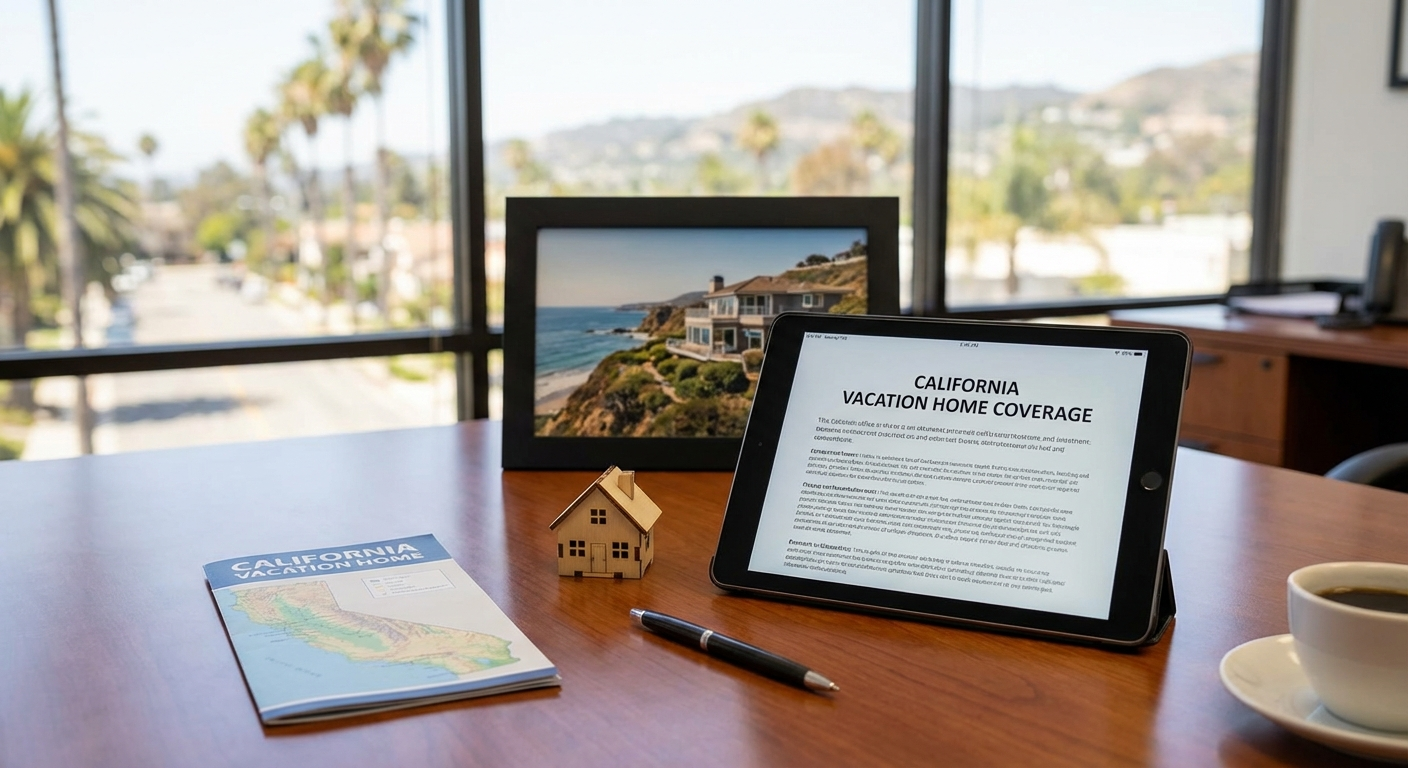
The California Wildfire Conundrum: Location, Location, Location
If your vacation home is anywhere near trees, brush, or open land in California – so, basically, everywhere from Lake Arrowhead to the Santa Ynez Valley to the outskirts of Palm Springs – wildfire risk is going to be the biggest factor in your insurance journey. The state has seen some truly devastating fire seasons. Remember the 2020 Creek Fire or the 2018 Camp Fire? These aren’t just headlines; they’re events that reshaped the insurance landscape.
This isn’t just about higher premiums, though those have certainly jumped. Many major carriers, like State Farm and Farmers, have pulled back or stopped writing new policies in certain high-risk areas. Others, like AAA, have become extremely selective. What does that mean for someone like Sarah and Tom with their Big Bear cabin? It means fewer options. It means it’s harder to find coverage.
You might hear about “non-renewals.” That’s when your existing insurer decides not to offer you coverage for another year, often due to wildfire risk assessments that have changed since you first bought the policy. This has left thousands of homeowners scrambling. Sometimes, the only option left is the California FAIR Plan.
The FAIR Plan acts as California’s “insurer of last resort.” It’s there to make sure every homeowner can get basic fire coverage, even if no other private insurer will offer it. But it has its limitations. The coverage is often more basic, the premiums can be significantly higher, and you’ll usually need a “wrap-around” policy from a private carrier to get things like liability, theft, or water damage coverage. It’s not ideal, but for many in fire-prone zones, it’s the only game in town.
Renting Out Your Retreat: A Whole New Ballgame
Let’s say the Millers decide to rent out their Big Bear cabin a few weekends a month on Airbnb or VRBO to help offset costs. This decision, while financially smart, completely changes their insurance needs.
An insurer sees a homeowner’s personal use very differently from a short-term rental. When you have paying guests, your property suddenly becomes a business, even if it’s just part-time. The liability risks skyrocket. What if a guest slips on the steps? What if they accidentally start a small fire? Your standard DP3 policy might not cover commercial activities.
For short-term rentals, you’ll likely need a specialized landlord policy or a specific endorsement added to your DP3 that explicitly covers short-term rental exposure. Some companies even offer specific “homeshare” policies. Without it, you’re exposing yourself to massive financial risk. Think of a guest suing you for an injury—that could wipe out your savings if you don’t have the right liability protection.
That’s not the whole story. What about your personal belongings? If you’re renting it out furnished, are those items covered if a guest damages them? Some policies might cover damage caused by tenants, others might not. And what if a major fire forces you to cancel bookings for months? You’ll want “loss of rents” coverage to make up for that lost income.
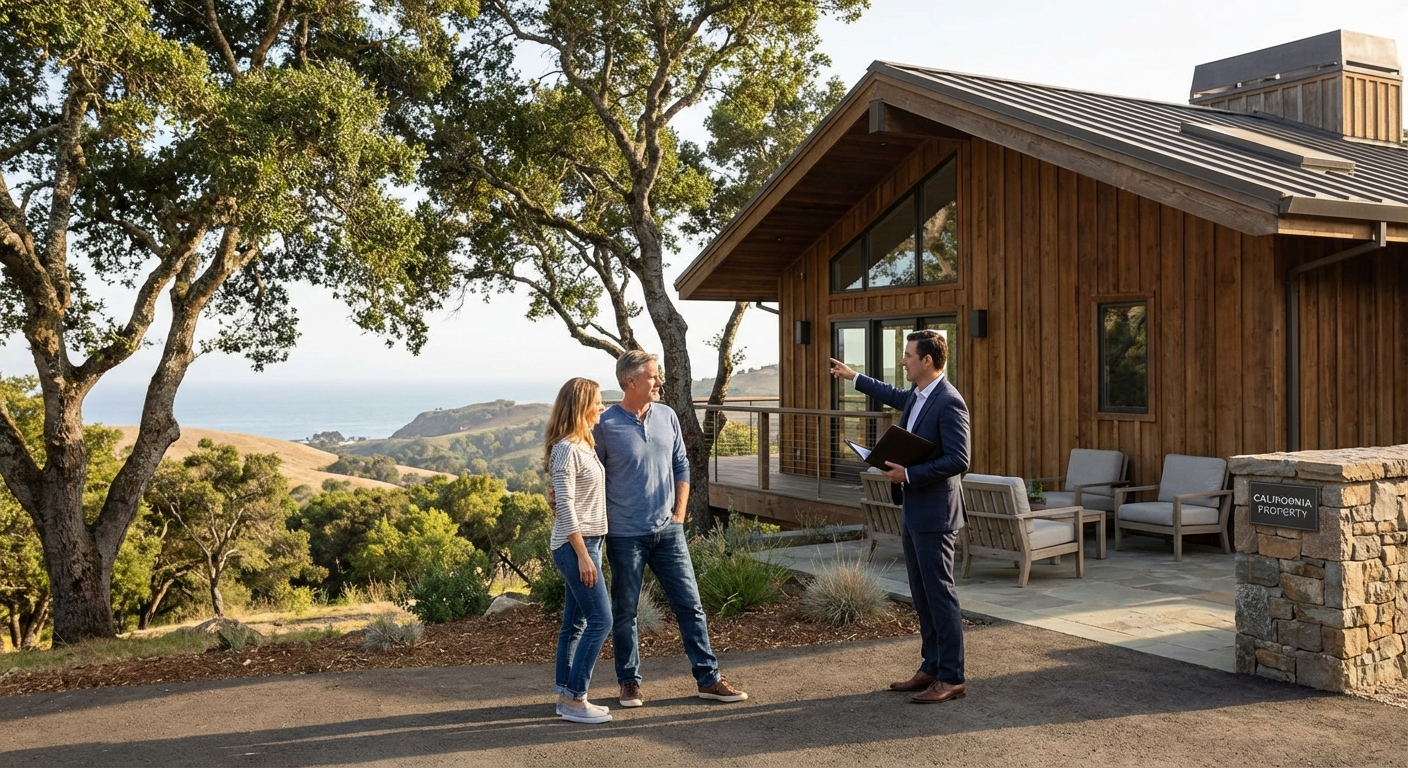
The Nitty-Gritty: What Your Policy Should Cover
Beyond the type of policy, here are some key areas to consider for your California vacation home:
* **Dwelling Coverage:** Enough to rebuild the home completely, considering local construction costs which can be high in places like Malibu or Napa Valley. Don’t forget debris removal costs!
* **Other Structures:** Think about that detached garage, the shed, or the beautiful deck. They need coverage too.
* **Personal Property:** This covers your furniture, appliances, clothing, and other items inside the home. If you’re renting it out, consider if you want to cover items guests might use.
* **Loss of Use/Fair Rental Value:** If a covered peril makes your home uninhabitable, this helps cover lost rental income or the cost of alternative accommodations if you were planning to use it.
* **Liability:** Absolutely essential. This protects you if someone is injured on your property and you’re found responsible. For rentals, this becomes even more critical.
* **Earthquake Insurance:** This is *never* included in a standard or dwelling fire policy in California. You need a separate policy for earthquake coverage. Given that California is, well, California, it’s a smart idea, especially for a significant investment like a second home.
* **Flood Insurance:** Similarly, standard policies exclude flood damage. If your vacation home is near a river, lake, or in a designated flood zone (even if it’s not, mudslides after fires can cause “flood-like” damage), you’ll need a separate policy, usually through the National Flood Insurance Program (NFIP).
Finding Your Way Through the Maze with an Expert
Trying to sort all of this out on your own, especially with the complexities of the California market, can feel like trying to paddle upstream without a paddle. The rules keep changing, carriers come and go, and what worked last year might not work this year.
This is where an experienced, independent insurance agent becomes invaluable. They’re not tied to just one company. They work with many different insurers, including those smaller, specialized carriers that might be willing to write policies in areas where the big names won’t. They understand the nuances of DP3 policies, the intricacies of short-term rental endorsements, and the ins and outs of the FAIR Plan.
Someone like Karl Susman at Los Angeles Home Insurance Agency, CA License #OB75129, has seen it all. He understands the challenges facing California homeowners, particularly those with secondary or vacation properties. He can look at your specific situation—your cabin in Big Bear, your beach house in San Clemente, or your desert retreat in the Inland Empire—and help you find the right blend of coverage without making you pay for things you don’t need or leaving you exposed to risks you didn’t even know existed.
Don’t leave your cherished California getaway to chance. Get clarity on your vacation home insurance. You can reach out to Karl and his team to discuss your options.
It’s not just about getting a policy; it’s about getting the *right* policy. It’s about protecting your investment, your peace of mind, and your ability to truly enjoy those precious moments in your California retreat.
Ready to get a clearer picture of your vacation home insurance? Click here to get a quote and connect with an expert.
Frequently Asked Questions About California Vacation Home Insurance
Q: Do I really need a separate policy if I already have homeowner’s insurance for my primary residence?
A: Yes, almost always. Your primary home’s policy is unlikely to extend to a separate vacation property, especially if it’s unoccupied for long periods or rented out. You need a dedicated policy tailored to the specific risks of a secondary home.
Q: What’s the difference between a Dwelling Fire (DP3) policy and a standard HO3 policy?
A: An HO3 is designed for owner-occupied primary homes and offers broad coverage. A DP3 is generally for non-owner-occupied properties, like vacation homes or rentals. While it still offers “open peril” coverage for the dwelling, it’s structured to account for the different risks associated with an unoccupied or rented property.
Q: My vacation home is in a high wildfire risk area. What are my options?
A: Options can be limited. Many private insurers have pulled back from high-risk areas. You might need to look at specialized carriers or consider the California FAIR Plan for basic fire coverage, often supplemented by a “wrap-around” policy for other perils like liability and theft.
Q: Does my vacation home insurance cover short-term rentals (like Airbnb)?
A: Not usually by default. Standard vacation home policies aren’t designed for commercial activity. If you plan to rent out your property, even occasionally, you’ll need a specific landlord policy or an endorsement added to your dwelling policy that explicitly covers short-term rental exposure and tenant liability.
Q: Is earthquake or flood insurance included in a typical vacation home policy?
A: No. Just like with primary homes, earthquake and flood damage are almost always excluded from standard homeowner’s or dwelling fire policies in California. You need to purchase separate policies for each of these coverages.
For personalized advice on your California vacation home insurance, contact Karl Susman at Los Angeles Home Insurance Agency, CA License #OB75129, at (877) 411-5200.
Considering your options and ready to explore quotes tailored to your unique California vacation home? Get a fast, no-obligation quote here.
This article is for informational purposes only and does not constitute financial advice.