Insuring a Piece of California History: What You Need to Know
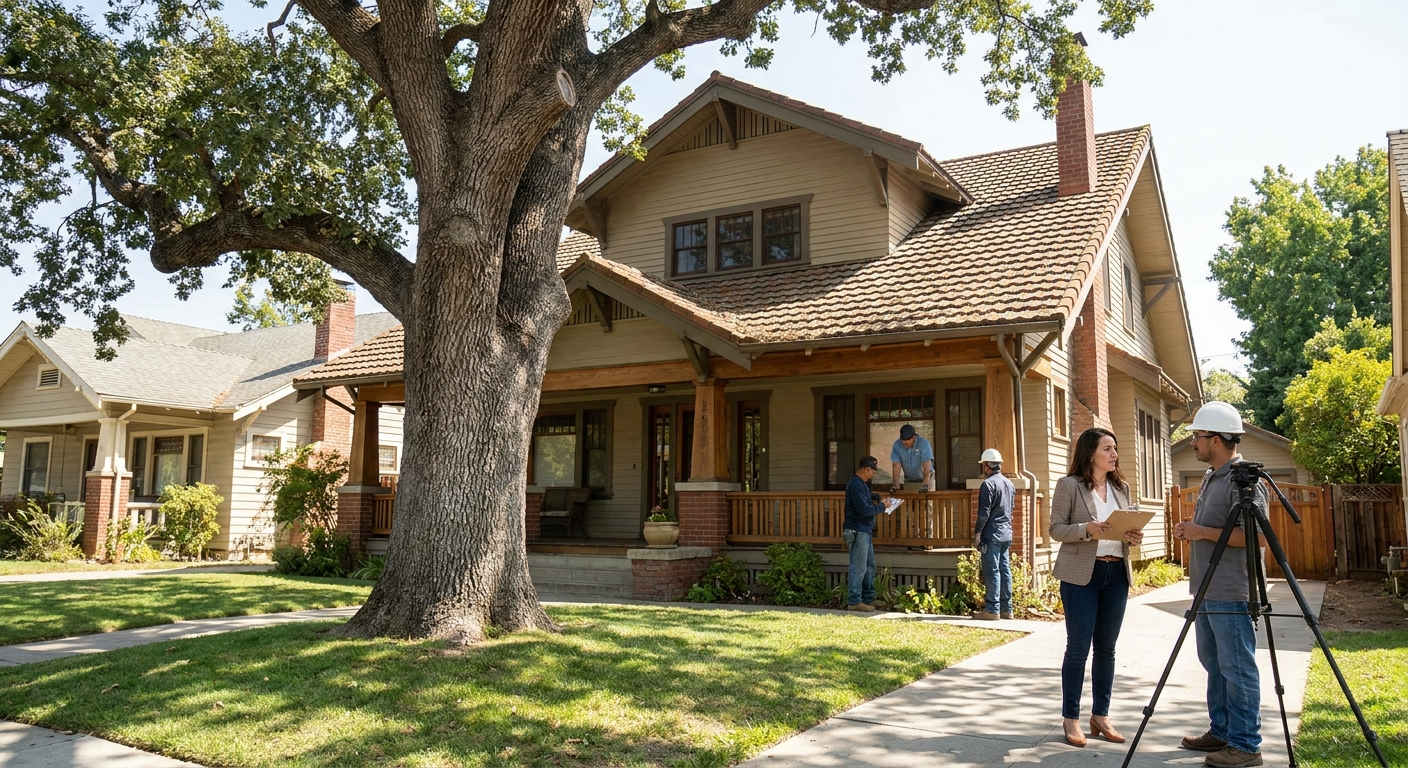
There’s something truly special about living in a home with stories etched into its very walls. Maybe it’s a Craftsman in Pasadena, a Victorian in San Francisco, or a Spanish Colonial in Santa Barbara. These aren’t just houses; they’re living testaments to California’s past, packed with unique charm and architectural detail you simply don’t find in modern builds. But here’s the thing: insuring one of these historic treasures in the Golden State isn’t like insuring a tract home built last year. Not even close.
Honestly, getting home insurance for *any* property in California feels like a quest these days. The market has been, shall we say, volatile. Wildfires, rising repair costs, and a complex regulatory environment have pushed major carriers like State Farm and Farmers to limit new policies or even pull back entirely from certain areas. This situation, already tricky for standard homes, becomes significantly more complicated when your property carries the weight of history.
Why Historic Homes Are a Different Ballgame for Insurers
Most homes built before, say, 1950, weren’t constructed with today’s standard materials or building techniques. Think about it. You’ve got plaster walls instead of drywall, old-growth lumber, intricate millwork, original windows, and perhaps a tile roof that’s a work of art. These features are beautiful, yes, but they’re also expensive to repair or replace.
For starters, finding the right craftspeople is tough. You can’t just call any contractor to fix a crumbling plaster ceiling or match original crown molding. You need specialists – artisans, really – who understand historic preservation and have the skills to replicate original features. Their labor costs more. The materials themselves might need to be custom-ordered or sourced from specialty suppliers. That drives up expenses significantly compared to just slapping up some drywall and standard trim.
Which brings up something most people miss: building codes. California has strict codes, especially for seismic upgrades and fire safety. If your historic home suffers damage, you might be required to bring it up to current code during repairs. This means adding things like shear walls, modern electrical wiring, or updated plumbing, even if the damage itself wasn’t directly related to those systems. That’s a huge hidden cost, and if your policy doesn’t account for it, you could be on the hook for tens of thousands of dollars out of your own pocket.

The California Insurance Crunch Meets Old-World Charm
The statewide insurance market has been in a state of flux. We’ve seen premiums jump 40% between 2022 and 2024 for many homeowners. Some insurers just aren’t writing new policies in areas they deem high-risk, whether that’s the hills of Ventura County or the brush-adjacent properties in the Inland Empire. For historic homes, this problem is compounded. Insurers see the unique construction, the higher replacement costs, and the potential for expensive code upgrades, and they often shy away.
It’s not just about wildfires, either. While major blazes like the 2025 LA fires are a huge concern, insurers also look at the age of systems. An old electrical system, even if perfectly functional, might be seen as a higher fire risk. Old plumbing could lead to leaks. Insurers are in the business of assessing risk, and historic homes, for all their beauty, often present a more complex risk profile.
Key Coverages Your Historic Home Needs
Standard home insurance policies typically offer “replacement cost” coverage, meaning they’ll pay to rebuild your home to its original condition using similar materials. But for historic homes, “similar” isn’t always enough. You need specific types of coverage:
Guaranteed Replacement Cost or Extended Replacement Cost
This is probably the most important feature for a historic home. Standard replacement cost might cap out at your dwelling coverage limit. But what if rebuilding your unique Victorian costs 25% or even 50% more than that limit due to specialized materials and labor? Guaranteed replacement cost policies — often called “extended replacement cost” or “enhanced dwelling coverage” — offer an extra cushion, typically 20-50% above your dwelling limit. This helps cover those unexpected, higher costs of restoring a one-of-a-kind property. You really don’t want to be underinsured when dealing with a historic rebuild.
Ordinance or Law Coverage
Remember those building codes? This coverage pays for the extra costs to bring your home up to current codes after a covered loss. It’s a lifesaver. Without it, your policy might only pay to rebuild what was there, leaving you to foot the bill for mandatory upgrades. This is especially important in California, where seismic and fire codes are constantly evolving.
Loss of Use (Additional Living Expenses)
If your home becomes uninhabitable after a covered loss, this coverage pays for your temporary housing, food, and other living expenses while repairs are underway. Historic home repairs often take longer than modern ones, so having ample loss of use coverage is a smart move.
Finding Coverage: It’s Not Always Easy, But It’s Possible
So, where do you even start? The short answer is yes, you can insure a historic home in California. The real answer is more complicated.
Most mainstream carriers might balk. You’ll likely need to look beyond the standard market.
Specialty Carriers (Non-Admitted Market)
Many historic homes find coverage through what’s called the “excess and surplus lines” market. These are non-admitted carriers, meaning they aren’t regulated by the state’s Department of Insurance in the same way admitted carriers like AAA or Farmers are. They have more flexibility in pricing and policy terms, which allows them to take on higher or more unique risks – like your 1920s Spanish Revival. Don’t let “non-admitted” scare you; many are financially sound and reputable, but they operate differently. They’re often the only option for truly unique or high-value historic properties.
The California FAIR Plan
If you absolutely can’t find coverage anywhere else, the California FAIR Plan acts as an insurer of last resort. It provides basic fire coverage, but it’s important to understand its limitations. It’s a bare-bones policy, often only covering dwelling and fire, with very limited liability and no frills. For a historic home, the FAIR Plan usually won’t offer the specialized coverages like guaranteed replacement cost or robust ordinance and law coverage that you truly need. It’s a safety net, but it’s not ideal for a historic property. The FAIR Plan has also seen changes recently, with increased dwelling limits, but it’s still not a full-service policy.
The Value of an Independent Agent
This is where an experienced independent insurance agent becomes invaluable. They don’t work for one specific insurance company; they work for you. They have access to multiple carriers, including those specialty and non-admitted markets that most homeowners don’t even know exist. They understand the nuances of insuring historic properties and the specific challenges of the California market.
Someone like Karl Susman of Los Angeles Home Insurance Agency, CA License #OB75129, has spent years helping California homeowners navigate these complex waters. He knows which carriers are willing to insure historic properties, what kind of coverage they offer, and how to present your home in the best light to secure a policy. This isn’t a DIY project; it’s too important.
Ready to explore your options for insuring your historic California home? Don’t leave it to chance. Get a personalized quote today: https://losangeleshomeinsuranceagency.com/quote/
Tips for Historic Homeowners Looking for Insurance
* **Document Everything:** Have a detailed appraisal of your home, including its unique features, materials, and estimated replacement costs. Take photos and keep records of all renovations and upgrades.
* **Maintain Your Home:** Insurers look favorably on well-maintained properties. Keep up with routine maintenance, especially for roofs, plumbing, and electrical systems. Updating these systems can sometimes lower your risk profile, even if you keep the historic aesthetic.
* **Understand Your Home’s Value:** The market value of your historic home is often very different from its replacement cost. Insurance is based on replacement cost – what it would actually cost to rebuild it from the ground up, not what you could sell it for.
* **Be Patient:** Finding the right coverage for a historic home can take time. Don’t wait until the last minute.
Frequently Asked Questions About Historic Home Insurance in California
Q: Is it more expensive to insure a historic home in California?
A: Generally, yes. The unique construction materials, specialized labor required for repairs, and the potential for costly building code upgrades all contribute to higher replacement costs. Insurers factor these into your premium.
Q: What if my historic home is located in a high wildfire risk area?
A: This adds another layer of complexity. Many standard insurers are hesitant to write policies in high-risk areas. You may need to explore specialty carriers or the California FAIR Plan, which might provide basic fire coverage but often lacks the comprehensive protection a historic home needs.
Q: Do I need a special appraisal for my historic home?
A: Absolutely. A standard appraisal focuses on market value. For insurance, you need a detailed replacement cost appraisal that accounts for the specific, often custom, materials and craftsmanship required to rebuild your unique property. This helps ensure you’re adequately covered.
Q: Can I update my historic home’s systems without losing its historic designation or impacting insurance?
A: You can, and often should, update systems like electrical, plumbing, and HVAC. Many updates can be done in a way that preserves historic character. In fact, modernizing these systems can sometimes make your home more attractive to insurers by reducing certain risks, like fire or water damage. Always consult with preservation experts if your home has a historic designation.
Q: What exactly is “Ordinance or Law” coverage?
A: This coverage pays for the additional costs to bring your home up to current building codes after a covered loss. For example, if a fire damages your home, and current code requires a more robust electrical system or seismic retrofitting, this coverage helps pay for those mandatory upgrades beyond just rebuilding what was there.
Insuring a historic home in California is a specialized field. You need an expert who understands both the unique challenges of older properties and the complexities of the California insurance market. Don’t settle for less when protecting your irreplaceable piece of history.
Protect your legacy. Get a personalized quote for your historic California home today: https://losangeleshomeinsuranceagency.com/quote/
This article is for informational purposes only and does not constitute financial advice.