When Your Home’s Foundation Starts to Falter
That tiny crack in your living room wall. The door that suddenly sticks. A slight slope in the kitchen floor you swear wasn’t there last year. For homeowners across California, these aren’t just minor annoyances. They can be the first whispers of a much bigger, more expensive problem: foundation damage. And when those whispers turn into shouts, your first thought might well be, “Is this covered by my home insurance?”
The short answer, like most things in the insurance world, is “it depends.” It’s not a simple yes or no. California’s unique geology, its weather patterns, and the ever-shifting insurance market make this question particularly tricky. You’ve got expansive clay soils in places like the Central Valley and parts of the Inland Empire, prone to swelling and shrinking. There are the seismic zones, obviously. Then there’s the recent swing from drought to heavy rains, like the atmospheric rivers that hammered the state in 2023, causing landslides and significant soil movement in areas from the Santa Cruz Mountains to Ventura County. All these factors put immense stress on a home’s foundation.
What Causes Foundation Damage in California?
Honestly, a lot of things. Sometimes, it’s just plain old settling. Every house settles a bit over time. But sometimes, it’s more serious.
Most often, water is the culprit. Too much water, or too little, can wreak havoc. When heavy rains soak the ground around your home, the soil expands. Then, in a dry spell, it shrinks. This constant expansion and contraction puts incredible pressure on your foundation, leading to cracks, shifts, and even sinking. Think about the way the ground dries out and cracks in the summer, then turns to mud in the winter – your house sits right on top of all that movement. Poor drainage around your home, a leaky pipe under the slab, or even overgrown tree roots seeking moisture can all contribute.
Then there’s earth movement. We live in California, right? Earthquakes are a fact of life. Even small tremors can cause stress. And landslides, especially after fires strip hillsides bare, can be devastating, as we’ve seen in places like Montecito.
Finally, there’s construction quality. Sometimes, a foundation simply wasn’t built right the first time. Or maybe it’s just old, and time has taken its toll.
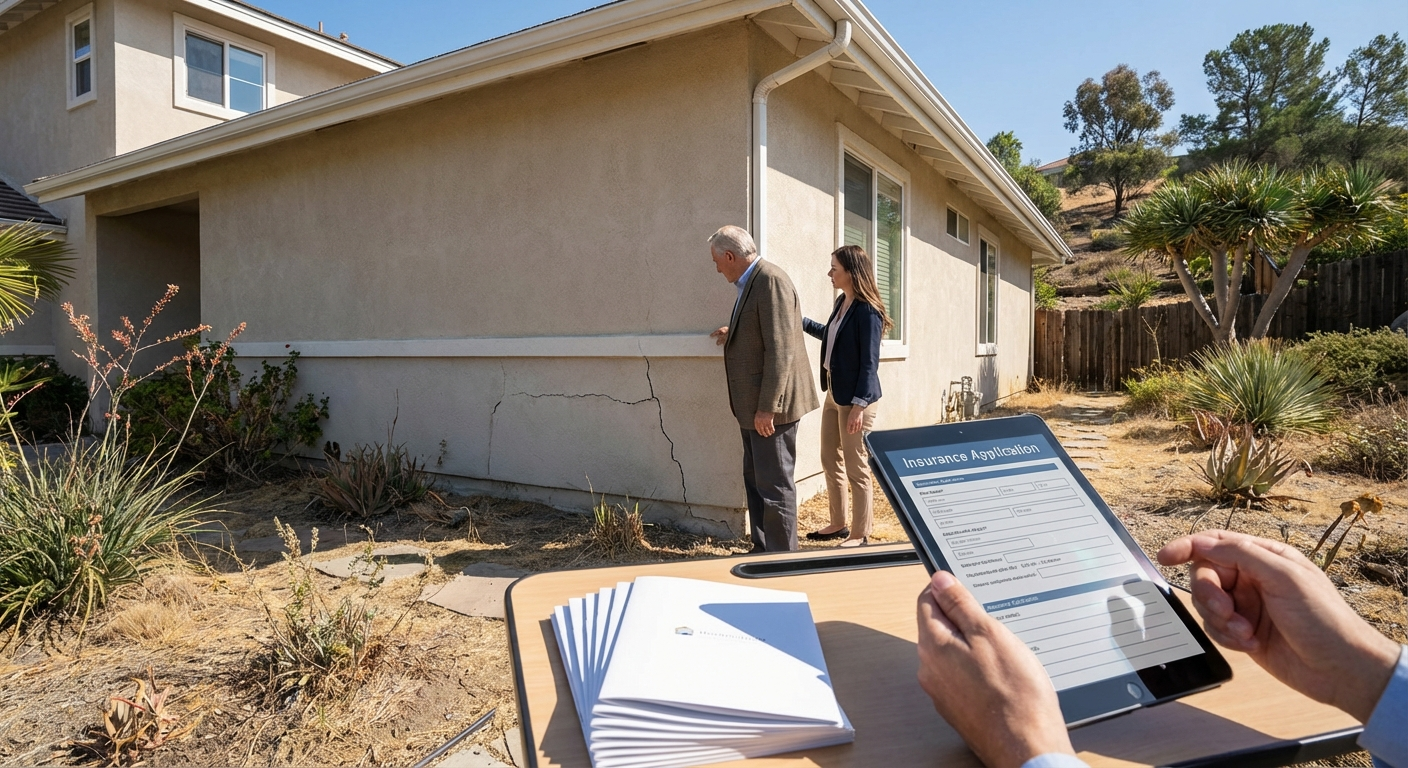
Does Standard Home Insurance Cover Foundation Repairs?
Here’s where it gets interesting. Most standard HO-3 home insurance policies – the kind most California homeowners have – are “open perils” for your dwelling. That means they cover damage from anything *unless* it’s specifically excluded. And foundation damage is often a prime example of those exclusions.
Generally speaking, your policy *will* cover foundation damage if it’s caused by a sudden, accidental event that’s not specifically excluded. For example:
* A fire burns your home, weakening the foundation.
* A burst pipe under your slab causes significant water damage and soil erosion, leading to a foundation shift.
* A car crashes into your house, damaging the foundation.
* A tree falls on your home, impacting the foundation.
But wait — that’s not the whole story.
The Big Exclusions: Earth Movement, Wear and Tear, and Neglect
This is where most foundation claims hit a wall. Standard home insurance policies almost universally exclude:
* **Earth Movement:** This is a big one. It includes earthquakes, landslides, mudslides, and sinkholes. If your foundation cracks because of a tremor or a hillside gives way, your standard policy won’t pay.
* **Wear and Tear, Deterioration, and Neglect:** If your foundation slowly degrades over decades, or if you ignore a persistent drainage problem that eventually causes damage, your insurer will likely deny the claim. They expect you to maintain your home. That means keeping gutters clean, ensuring proper grading, and fixing small leaks before they become big ones.
* **Settling, Cracking, Shrinking, Bulging:** Many policies explicitly exclude damage caused by the natural movement of your home or its foundation over time, unless that movement is the direct result of a covered peril. This is a common point of contention.
So, if your foundation cracks because the clay soil under your house expanded and contracted during a typical California weather cycle, it’s usually not covered. If it’s because of a poorly installed drainage system you never fixed, also not covered. See the pattern?
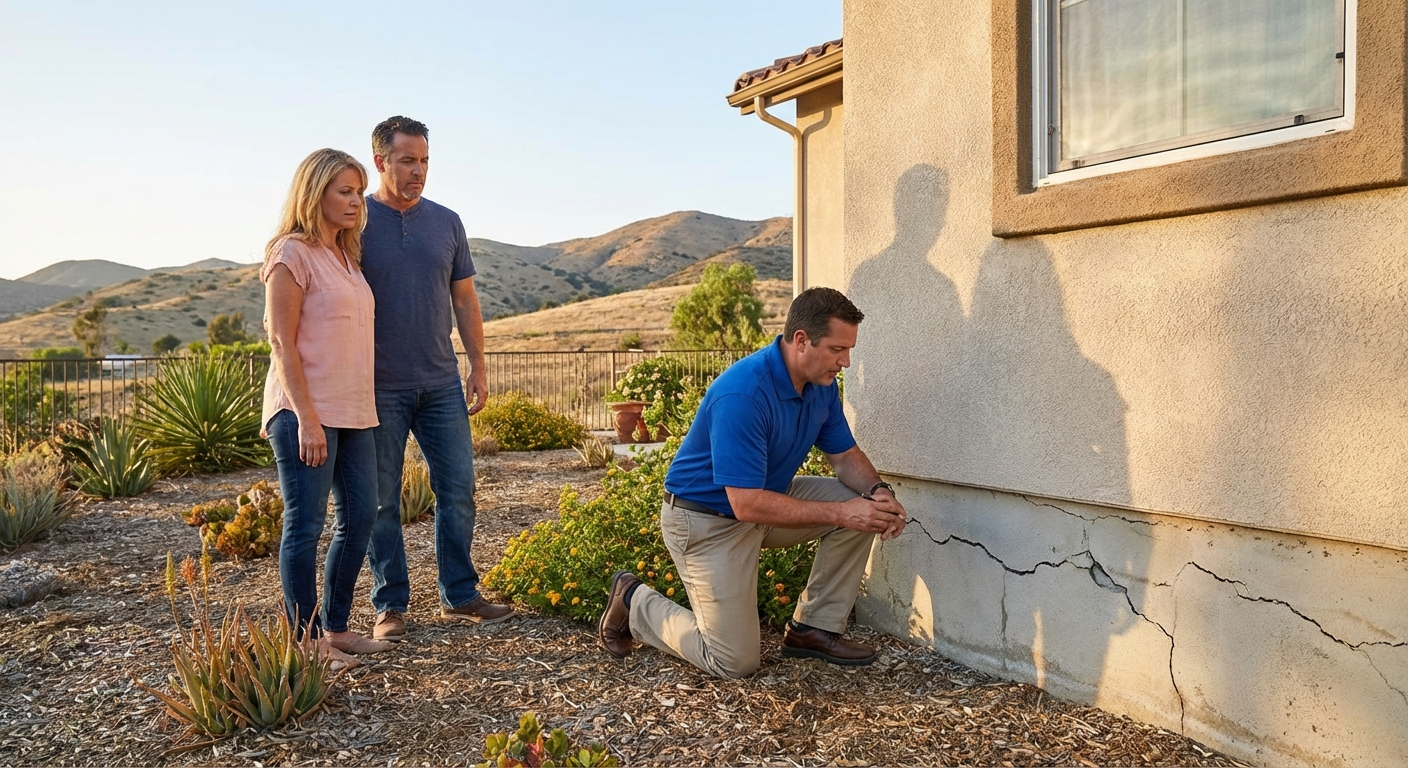
Earthquake Coverage: A Separate Conversation
Since earth movement is excluded from standard policies, you need a separate policy for earthquake damage. In California, this usually means buying coverage from the California Earthquake Authority (CEA). The CEA is a publicly managed, privately funded organization that provides earthquake insurance.
CEA policies have their own set of rules, deductibles, and coverage limits. Deductibles are often quite high – 15% or 20% of the dwelling coverage amount – meaning you’d pay a significant chunk out of pocket before coverage kicks in. But if a major quake hits and your foundation is destroyed, it’s the only way you’ll get help for that specific type of damage. Many people opt out due to the cost and the high deductibles, but for those in high-risk areas, it’s a serious consideration.
Flood Insurance: Another Piece of the Puzzle
What if a flood causes foundation damage? Again, your standard home insurance won’t cover it. Flooding, whether from a river overflowing its banks or a storm surge, is excluded. For that, you need a separate flood insurance policy, typically through the National Flood Insurance Program (NFIP). Even if you don’t live in a designated flood zone, flash floods can happen anywhere, especially in a state with such varied topography and intense rainfall events. A substantial flood can certainly compromise a foundation.
The California Insurance Market: Tough Times
It’s no secret the California insurance market has been turbulent lately. State Farm announced it would stop accepting new applications for some policies. Farmers Insurance also pulled back in certain areas. AAA has made adjustments. Rising costs from wildfires – like the devastating fires in the Santa Clarita Valley or near Lake Tahoe – and other natural disasters have made insurers wary. Premiums for some policies in brush fire areas jumped 40% between 2022 and 2024.
This means finding coverage, especially for older homes or those in higher-risk areas, can be challenging. Some homeowners are turning to the California FAIR Plan, which acts as an insurer of last resort. While it provides basic fire coverage, it’s often more expensive and less comprehensive than a standard policy. It also doesn’t cover foundation damage from earth movement or water unless specifically endorsed, and those endorsements can be hard to get or very pricey.
What to Do If You Suspect Foundation Damage
First, don’t panic. But don’t ignore it either.
1. **Document everything:** Take photos and videos of any cracks, uneven floors, sticking doors, or other signs of damage. Note the date.
2. **Identify the cause:** This is the most important step for an insurance claim. Is it a leaky pipe? Poor drainage? A recent earthquake? A structural engineer or a foundation repair specialist can help you figure this out. They’re not cheap, but their report is often essential.
3. **Review your policy:** Dig out your home insurance policy documents. Look for the “Exclusions” section, specifically anything related to earth movement, water damage, settling, or structural issues.
4. **Contact your agent:** Before you file a claim, talk to your insurance agent. An experienced agent can help you understand your coverage and whether filing a claim is even worthwhile, especially considering your deductible.
Why an Independent Agent Makes a Difference
Navigating the complexities of home insurance, especially with something as significant as foundation damage, can feel overwhelming. That’s where an independent agent like Karl Susman of Los Angeles Home Insurance Agency comes in. We’re not tied to a single insurance company. We work with multiple carriers, which means we can shop around to find you the best possible coverage for your specific situation and location in California – whether you’re in Orange County, the Bay Area, or somewhere in between.
Understanding the fine print on foundation coverage, knowing when you need a separate earthquake or flood policy, and getting advice on how to protect your home – that’s our job. We can explain the nuances of an HO-3 versus an HO-5 policy, discuss deductibles, and help you understand what perils are truly covered.
If you’re worried about your home’s foundation, or just want to make sure your current policy truly protects your biggest investment, it’s time for a conversation. Don’t wait until the cracks are undeniable.
Ready to talk about your home insurance needs? Get a quote today and let Karl Susman and the team at Los Angeles Home Insurance Agency, CA License #OB75129, help you find peace of mind. Visit https://susmaninsurance.com/get-a-quote/ or call us at (877) 411-5200.
Frequently Asked Questions About Foundation Damage & Home Insurance
What’s the difference between “settling” and “foundation damage” for insurance?
Settling is the natural, minor shifting of a house over time, and it’s generally not covered by insurance. Foundation damage refers to more significant, structural issues like large cracks, bowing, or sinking, which might be covered if caused by a sudden, accidental, and non-excluded event like a burst pipe or fire.
If a tree root causes foundation damage, is it covered?
It depends. If the tree root is from a tree on your property and the damage is slow and gradual, it’s likely considered a maintenance issue and not covered. However, if a neighbor’s tree root causes sudden, catastrophic damage, or if a storm causes a tree to fall and its roots pull up your foundation, there might be coverage under specific circumstances. It’s best to check your individual policy and speak with an agent.
Can I add an endorsement to my policy for foundation damage?
Sometimes. You can add earthquake coverage (usually through the CEA) or flood coverage (NFIP) which would cover foundation damage if caused by those specific perils. Some insurers might offer endorsements for certain types of water damage or sewer backup that could impact a foundation, but generally, there isn’t a broad “foundation damage” endorsement that covers all causes, especially those related to earth movement or wear and tear.
What if my foundation damage is due to poor construction?
Home insurance typically does not cover damage resulting from faulty construction or design defects. If your home is relatively new, you might have recourse through the builder’s warranty or by pursuing legal action against the contractor. For older homes, this becomes much more challenging to prove and get covered.
Is it better to fix minor foundation cracks myself or report them to my insurer?
For minor, non-structural cracks or issues that are clearly due to normal settling or wear and tear, it’s usually better to address them yourself. Filing a claim for something that’s likely excluded or below your deductible can still show up on your claims history, potentially impacting future premiums or insurability. If you suspect a serious, sudden, and covered event caused the damage, then absolutely report it to your agent.
Don’t let the complexities of home insurance leave your biggest asset vulnerable. Karl Susman and the team at Los Angeles Home Insurance Agency, CA License #OB75129, are here to help California homeowners understand their options and find the right protection. Reach out today for a personalized conversation. Visit https://susmaninsurance.com/get-a-quote/ to get started.
This article is for informational purposes only and does not constitute financial advice.