That Leak in Your Ceiling: Understanding California Roof Damage and Your Home Insurance
For most California homeowners, the roof isn’t something you think about until it’s a problem. Then suddenly, that small leak after a winter storm, or the missing shingles after a Santa Ana wind event, becomes a huge headache. You bought home insurance for moments like these, didn’t you? The short answer is yes. The real answer is more complicated, especially here in the Golden State.
You see, California’s insurance market has been a bit of a rollercoaster lately. Wildfires, mudslides, and even those atmospheric rivers we’ve seen tear through places like Ventura County and the Valley have made insurers really rethink what they’re willing to cover—and at what price. This shift absolutely impacts how your roof damage claim might play out.
What Your Policy *Likely* Covers (and What It Doesn’t)
Generally, your standard California homeowner’s policy is designed to cover sudden, accidental damage. Think of it this way:
* **A tree falls on your roof** during a windstorm. Covered.
* **Hail pounds your shingles** (yes, it happens, even in the Inland Empire sometimes). Covered.
* **A fire starts in your kitchen** and spreads to the roof. Covered.
* **Vandals damage your roof.** Covered.
But here’s where it gets interesting. Most policies won’t cover damage that comes from neglect or wear and tear. If your roof is just old, maybe 20-25 years old, and starts to leak because the shingles have simply degraded over time, that’s usually on you. Insurers expect you to maintain your home. They’re not going to pay for something that could have been prevented with routine upkeep.
Which brings up something most people miss. If you’ve got a slow leak that’s been dripping for months, causing rot and mold, your insurer might deny the claim because it wasn’t “sudden.” That’s a big difference. They want to see a clear event that caused the damage.
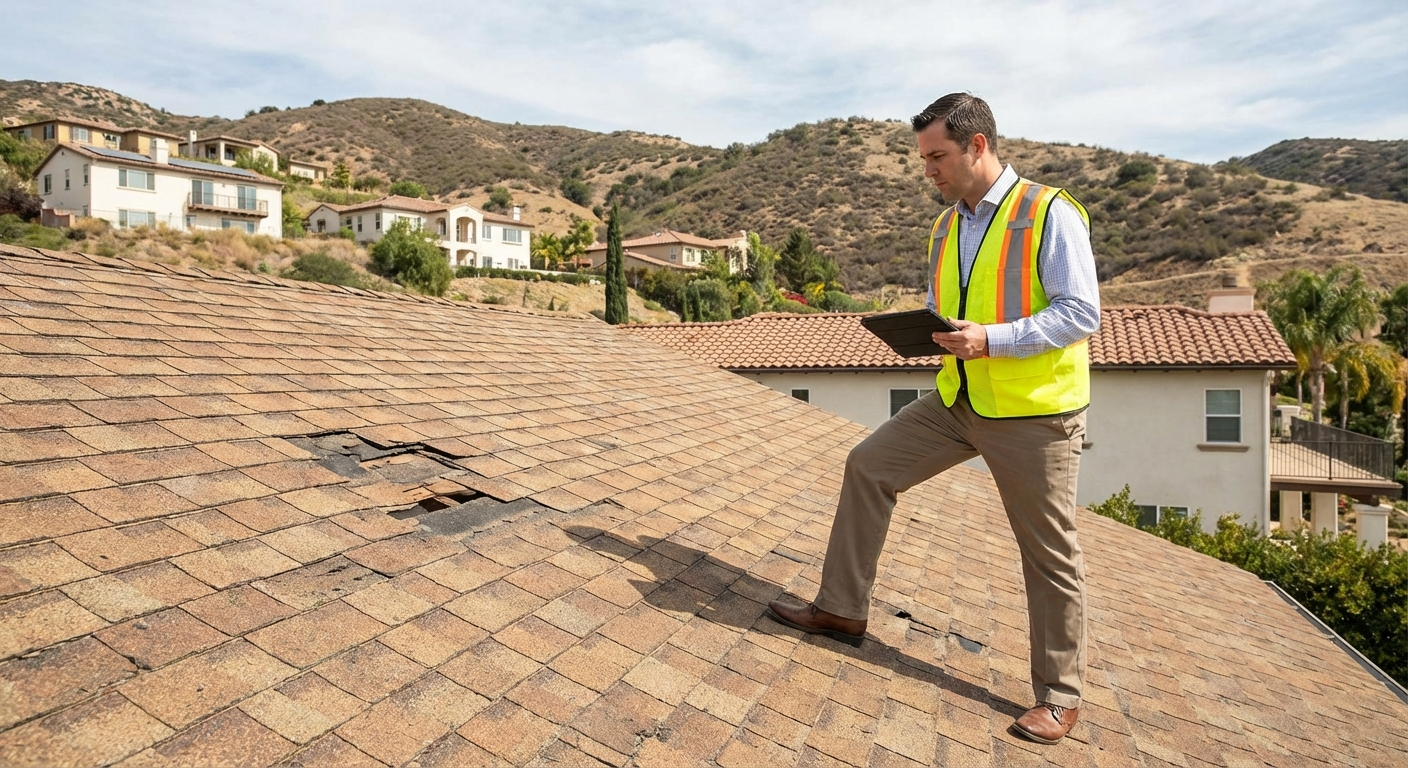
The Age of Your Roof: Why It Matters So Much
This is probably the biggest factor in any roof claim. Is your roof brand new, five years old, or pushing two decades? This question impacts how much you might get paid.
Most policies offer either “Replacement Cost Value” (RCV) or “Actual Cash Value” (ACV) coverage for your roof.
* **Replacement Cost Value** means the insurer pays to replace your damaged roof with a brand-new one, equivalent in quality, *without* deducting for depreciation. This is what you really want.
* **Actual Cash Value** means they’ll pay for the cost of a new roof, but then they’ll subtract money for how old and worn out your old roof was. So, if your 15-year-old roof (out of a 20-year lifespan) gets damaged, they might only pay 25% of the replacement cost. You’re left footing a much bigger bill.
Many insurers, especially in the last few years, have moved towards ACV for older roofs, or they might even have specific endorsements that limit coverage on roofs over a certain age—say, 10 or 15 years. This is a direct response to the increasing costs of materials and labor, and the higher risks in California. It feels unfair, doesn’t it? But that’s the reality of the market right now.
Making a Claim: What to Do When Disaster Strikes
Okay, so you’ve got roof damage. What’s next?
1. **Safety First:** If it’s a major event, ensure everyone’s safe. Call emergency services if needed.
2. **Document Everything:** This is absolutely critical. Take photos and videos of the damage from every angle. Get close-ups of missing shingles, water stains, anything that looks off. Document the date and time you noticed the damage.
3. **Prevent Further Damage:** Do what you can to stop the problem from getting worse. Put a tarp over a hole. Move furniture away from a leak. Keep receipts for any materials you buy for these temporary fixes. Just don’t start major repairs before the adjuster sees it, unless it’s an emergency.
4. **Contact Your Agent:** Call your insurance agent right away. They’re your first point of contact and can guide you through the process. They’ll help you understand your policy and what to expect.
5. **Get Estimates:** Your insurer will likely send an adjuster. But it’s also smart to get a few estimates from reputable local roofing contractors. This gives you a baseline for what repairs should cost.
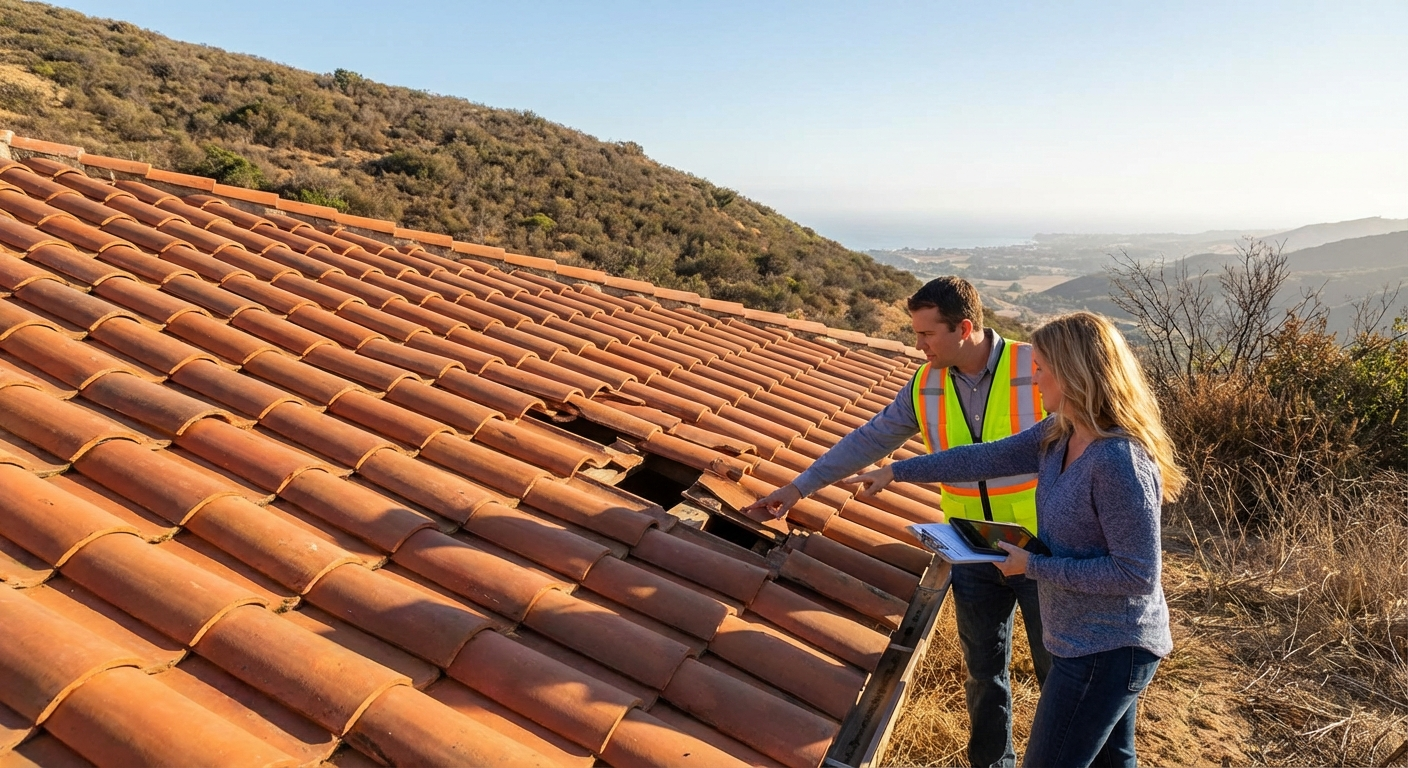
Dealing with the Adjuster and Your Insurer
This can be the most stressful part. The adjuster works for the insurance company, and their job is to assess the damage and determine what’s covered under your policy. Be polite, but be firm. Show them all your documentation.
Sometimes, there’s a disagreement. Maybe the adjuster says the damage is old wear and tear, and you know it was from a specific storm. This is where your photos and notes come in handy. Don’t be afraid to push back if you believe they’re wrong. You might even need to get a second opinion from another contractor, or even an independent adjuster, though that’s a bigger step.
For those harder-to-insure properties, maybe deep in a high fire-risk zone, you might even have a FAIR Plan policy. While the FAIR Plan provides basic fire coverage, it often requires a separate “wrap-around” policy for other perils like wind or liability. It’s a patchwork approach that can make roof claims even more complicated.
Why Your Deductible is a Bigger Deal Now
Remember that deductible? That’s the amount you pay out-of-pocket before your insurance kicks in. For roof claims in California, especially if related to wind or hail, you might see higher deductibles than for other types of claims. Some policies even have separate, higher deductibles for certain perils. It’s a way for insurers to manage their risk and pass some of the immediate cost onto homeowners. Always check your policy declarations page for these specifics.
Preventing Roof Damage & Planning Ahead
An ounce of prevention is worth a pound of cure, right? Especially with the way insurance works in California these days.
* **Regular Inspections:** Get your roof professionally inspected every few years, especially after a major storm. A small problem caught early is cheaper than a major repair.
* **Clean Gutters:** Clogged gutters can cause water to back up under your shingles, leading to rot and leaks.
* **Trim Trees:** Keep tree branches trimmed back from your roof to prevent them from rubbing, dropping debris, or falling during a storm.
* **Know Your Roof’s Age:** If your roof is getting old, start budgeting for a replacement. Replacing it proactively might save you a huge headache and a denied claim later.
Honestly, the best defense is a good offense. Understand your policy *before* you need to file a claim. You want to know if you’ve got RCV or ACV coverage, what your deductibles are, and what specific exclusions might apply to your roof.
Trying to sort through all this on your own can feel like a maze. That’s why having a knowledgeable, local insurance agent is so important. Someone who knows the California market, understands the nuances of different policies, and can advocate for you.
Karl Susman, from Los Angeles Home Insurance Agency, has been helping Californians like you make sense of their home insurance for years. He’s seen the market change, and he knows how to find policies that offer the best protection for your roof and your home. You can reach his agency at (877) 411-5200.
Finding the right policy isn’t just about the lowest price; it’s about getting the right coverage when you need it most. And when it comes to your roof, that peace of mind is priceless.
If you’re wondering what your current policy really covers, or if you’re looking for better options, don’t wait until a storm hits. Check out your options today. Get a quote and see how Karl and his team can help.
Click here to get a personalized home insurance quote: https://losangeleshomeinsuranceagency.com/quote/
FAQs About California Roof Damage Claims
Q: Will my premium go up if I file a roof damage claim?
A: Potentially, yes. Filing a claim, especially if it’s a significant payout, can sometimes lead to an increase in your premium upon renewal. It really depends on your insurer, your claims history, and the overall market conditions. Some insurers might even decide not to renew your policy if you’ve had multiple claims in a short period.
Q: My roof is old. Can I still get replacement cost coverage?
A: It’s getting harder. Many insurers in California are now offering Actual Cash Value (ACV) for roofs over a certain age (often 10-15 years) or for homes in higher-risk areas. Some might offer RCV but with a higher premium or a specific endorsement. It’s something you definitely need to discuss with your agent, like Karl Susman at Los Angeles Home Insurance Agency (CA License #OB75129), to see what options are available for your specific home.
Q: What if my insurance company denies my roof claim?
A: Don’t give up immediately. First, understand *why* they denied it. Get it in writing. Then, review your policy again, gather more evidence if you can, and talk to your agent. They can often help you appeal the decision. If that doesn’t work, you can contact the California Department of Insurance for assistance or consider legal counsel, though that’s a last resort.
Q: Do I need to get multiple estimates for roof repair before filing a claim?
A: It’s a good idea, but not always required before filing the claim itself. Your insurer will usually send their own adjuster. However, having a few estimates from reputable local roofers gives you a solid understanding of the repair costs and helps you confirm if the insurer’s offer is fair. It puts you in a much stronger position during negotiations.
Q: What’s the difference between a cosmetic roof claim and a functional damage claim?
A: This is a subtle but important distinction. Cosmetic damage might be hail dents that don’t affect the roof’s ability to keep water out. Functional damage means the roof’s integrity is compromised, leading to leaks or a shortened lifespan. Many policies, especially for older roofs, might only cover functional damage, not just cosmetic issues. Always clarify this with your agent.
For personalized advice on your home insurance and roof damage coverage, reach out to Karl Susman and his team. They’re ready to help you protect your home. Find out more: https://losangeleshomeinsuranceagency.com/quote/
This article is for informational purposes only and does not constitute financial advice.